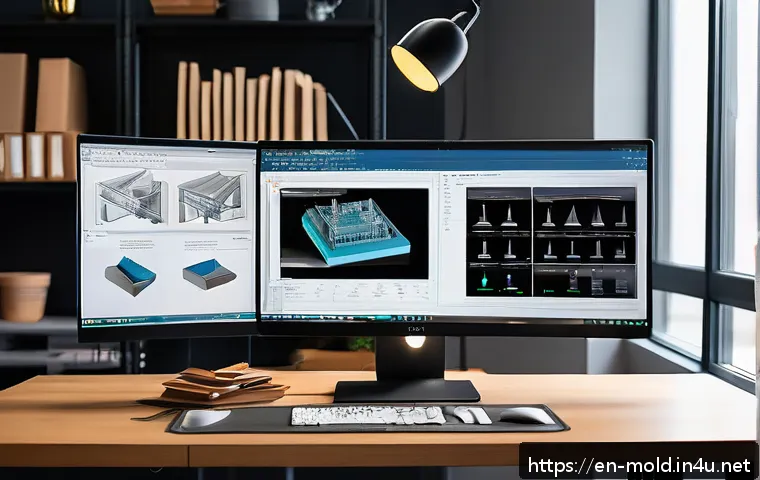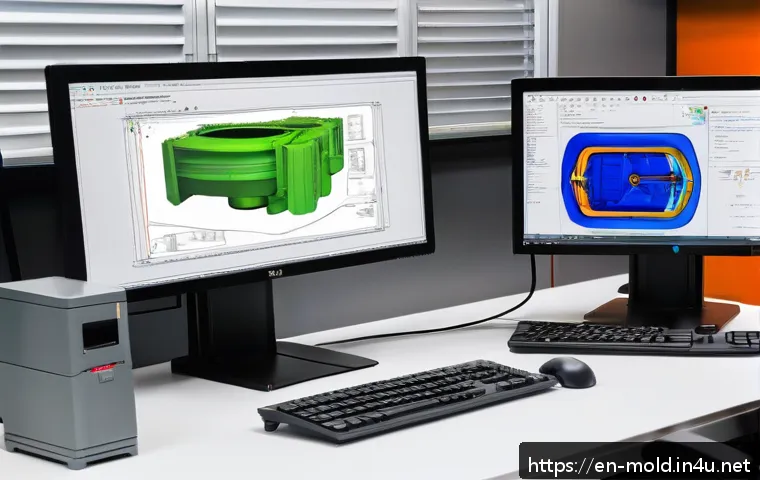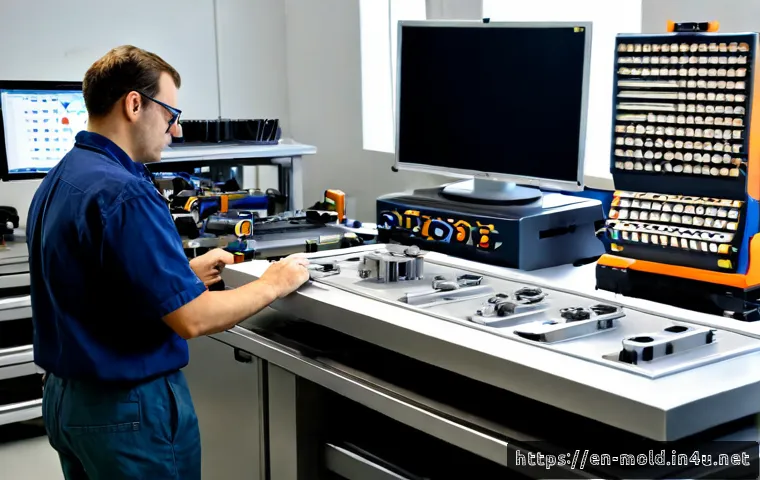
Mold design training is useful because it connects part geometry to practical injection molding decisions, including tooling structure, quality risks, and supplier communication.

For small production teams, the same knowledge helps them compare tooling quotes and identify questions before a mold is cut. Formal certification can support entry-level applications, but its value depends on the country, training provider, and employer.
Shop-floor exposure adds practical context for machining, mold maintenance, and production issues. When choosing training or injection molding services, focus on CAD capability, hands-on access, manufacturing communication, and the fit between the tool and expected production volume.
A careful review before tooling begins can reduce avoidable revisions later.
At a Glance
- Mold design links part geometry, mold components, and production quality.
- Tooling is commonly a major upfront injection molding cost, while per-part cost may improve at higher volumes.
- Training, CAD tools, and supplier quotes should be compared against the role, part requirements, and production plan.
| Decision Area | Best Comparison Question | What to Review |
|---|---|---|
| Training route | Do you need structured fundamentals or workplace practice? | 2D drafting, 3D CAD, hands-on tooling exposure, and manufacturing communication |
| CAD/CAM software | Can the workflow support both design and toolmaking needs? | Part modeling, mold structure work, drawings, CAM compatibility, and CNC workflow |
| Tooling option | Is the project still changing, or is it moving toward ongoing production? | Expected volume, resin, dimensional needs, and future product changes |
| Injection molding supplier | Can the supplier review the part before tool cutting? | DFM review, gate location, cooling, ejection, quote scope, and quality expectations |
How Mold Design Skills Support Successful Injection-Molded Parts
The Link Between Part Design, Mold Structure, and Production Quality
Plastic injection molding produces parts by injecting molten polymer into a closed mold cavity under controlled pressure and temperature. The mold is not simply a container for plastic. Its structure affects how material fills, cools, releases, and appears after molding.
A designer must consider the relationship between the part and the tool. Draft angles influence ejection. Wall thickness can affect cooling behavior and visible defects. Gate location affects how polymer enters the cavity. Material shrinkage also needs to be considered during mold design.
This is why a visually complete 3D part model is not automatically ready for manufacturing. A part may still be difficult to eject, vulnerable to warpage, or likely to need mold revisions if the tooling structure is not reviewed early.
Core Competencies: Drawings, 3D CAD, Tolerances, and Manufacturing Communication
Mold design work commonly combines 2D drafting and 3D CAD. The 3D model helps designers examine part shape, cores, cavities, and mold movement. Drawings help communicate dimensions and manufacturing details clearly.
Communication matters as much as modeling. A mold designer may need to explain the part intent to toolmakers, CNC programmers, CAM users, inspection personnel, and injection molding teams. Clear questions about material, expected production volume, surface expectations, and product changes can prevent assumptions from becoming expensive tooling revisions.
Three-Point Summary for Learners and Production Buyers
- Learn to connect part features with mold filling, cooling, and ejection.
- Use CAD and drawings to communicate manufacturing intent, not only visual form.
- Ask for a manufacturing review before treating a design as ready for tooling.
Training Paths, Workplace Skills, and Certification Value
Formal Trade Training Versus Employer-Led Practical Experience
Formal mold design training can provide a structured introduction to drawings, 3D CAD, mold components, tolerances, and production terminology. It may suit learners who want a guided path before applying for entry-level roles.
Employer-led experience can add practical understanding of toolmaking, CNC equipment, CAM programming, setup concerns, maintenance, and defect troubleshooting. It is especially valuable because it shows how design decisions behave in an actual production environment.
The strongest route is often the one that closes the learner’s biggest gap. If CAD fundamentals are missing, a training program with substantial modeling and drawing work may be more useful. If design knowledge exists but shop context is limited, hands-on exposure can be the better next step.
When a Credential Can Help with Entry-Level Mold Design Roles
A mold design certification may help show that a candidate has completed organized training. However, certification and licensing requirements vary by country, provider, and employer. A credential should not be treated as proof that every employer recognizes the same curriculum or examination standard.
Before enrolling, review the official course outline, software exposure, practical assignments, and any stated eligibility rules. For an entry-level mold design role, a portfolio of drawings or CAD work may also help demonstrate what the learner can actually do.
CAD, CAM, CNC, and Inspection Skills Employers May Value
CAD supports part and mold design. CAM programming and CNC equipment are relevant to machining and toolmaking. Inspection awareness helps designers understand why dimensions, tolerances, and part consistency matter after production begins.
When comparing CAD/CAM software training, look for coverage that matches the intended role: part modeling, mold design, technical drawings, machining workflow, or manufacturing communication. Check the official program or software training page for current features, access conditions, and course details.
Injection Molding Basics That Every Mold Designer Should Understand
From Resin Pellets to Finished Parts: The Production Cycle
In injection molding, polymer is melted and injected into a closed mold cavity. The material cools in the mold, and ejector components help release the finished part. This basic cycle makes mold design central to both part quality and production flow.
A design decision can affect more than appearance. It can influence filling behavior, cooling, ejection, maintenance needs, and the likelihood of defects such as short shots, flash, weld lines, sink marks, warpage, or inconsistent surface finish.
Cavities, Cores, Gates, Runners, Cooling, and Ejection Systems
A typical mold includes cavities and cores that form the part shape. Material reaches the part through runners or hot runners and enters through gates. Cooling channels help manage heat, while guide elements support mold alignment. Ejector components release the part after molding.
Each system needs to work with the others. A gate choice should not be evaluated only for appearance. It also needs to be considered alongside material flow, the part geometry, cooling behavior, and ejection requirements.
Design Factors That Influence Shrinkage, Warpage, and Cycle Time
Material shrinkage, draft, wall thickness, and gate location are important design factors. Uneven wall thickness can create uneven cooling conditions. Inadequate draft can make release more difficult. A gate location that does not suit the part may contribute to quality concerns.
Do not assume that one resin, tool steel, or mold configuration fits every project. Suitability requires part drawings, volume forecasts, and a manufacturing review.
Tooling Options, Cost Drivers, and Supplier Quote Comparison

Prototype Molds, Bridge Tools, and Production Molds: Where Each Fits
Prototype tooling may be considered when a part is still being evaluated. Bridge tooling can fit projects moving between early development and longer-term production. Production molds are generally considered when ongoing output needs are clearer.
The right choice depends on expected volume, product changes, resin, dimensional needs, and the production plan. Tooling is usually a major upfront cost, so choosing a tool before these questions are answered can create avoidable risk.
What Influences a Tooling Quote Beyond the Mold Base Price
A meaningful tooling quote should be read as more than one line item. Part geometry can affect cavity and core complexity. The selected runner approach, gate arrangement, cooling needs, ejection system, and expected maintenance considerations can also shape the tooling scope.
Supplier comparisons are stronger when each supplier receives the same part files and project information. Otherwise, quote differences may reflect missing assumptions rather than a true difference in mold manufacturing capability.
Questions to Ask Before Comparing Mold Makers or Injection Molding Services
- Has the supplier reviewed the part for draft, wall thickness, gate location, cooling, and ejection?
- What material and production assumptions are included in the quote?
- Which mold components and runner approach are being proposed?
- How will potential product changes be handled before and after tool cutting?
- What information does the supplier need to evaluate dimensional and surface expectations?
Common Design Mistakes and How to Prevent Expensive Rework
Insufficient Draft, Uneven Wall Thickness, and Difficult Part Ejection
Insufficient draft can make a part harder to release. Uneven wall thickness can contribute to uneven cooling and may increase the risk of visible or dimensional quality issues. These concerns are easier to discuss in the part-design stage than after a mold has been cut.
Use a design-for-manufacturing review to identify features that may complicate ejection or create difficult mold geometry. The goal is not to remove every complex feature, but to make the manufacturing trade-offs visible.
Poor Gate Placement and Inadequate Cooling Considerations
Gate placement affects how molten polymer enters the cavity. Cooling channels affect how heat is managed during molding. If these are treated as late-stage details, the tool may require revisions that could have been discussed during supplier review.
Ask mold makers or injection molding services to explain their proposed gate and cooling approach in relation to the actual part design. This creates a more useful comparison than selecting a supplier on a base tooling figure alone.
Why Design-for-Manufacturing Review Should Happen Before Tool Cutting
A DFM review is a practical checkpoint before tooling begins. It brings part design, material considerations, mold structure, and production intent into the same discussion. It cannot guarantee a perfect outcome, but it can reveal questions that should not be postponed.
Selection Criteria and Comparison Summary
Choose training based on the desired role, exposure to 2D drafting and 3D CAD, and access to practical shop or manufacturing experience. Choose CAD/CAM software based on whether the priority is mold modeling, drawings, machining workflow, or communication with CNC and toolmaking teams. Choose tooling based on expected volume, resin, dimensional needs, and the likelihood of product changes.
Before requesting an injection mold tooling quote, prepare the part drawings or CAD files, material information if known, production forecast, dimensional expectations, surface requirements, and known design constraints. Ask whether a DFM review is included and what assumptions shape the proposed mold configuration. For training programs, CAD/CAM tools, or molding services, review the official details and current conditions on the relevant provider page before making a selection.
Closing Thoughts
Mold design is a bridge between an idea on a screen and a repeatable molded part. Training can build the vocabulary and CAD foundation, while shop-floor exposure explains why tooling details matter. For buyers, the same knowledge improves supplier conversations and quote comparisons. The best decisions begin with complete part information and an early manufacturing review.
Useful Things to Know
Prototype, bridge, and production tooling should be evaluated against the project stage rather than treated as interchangeable options.
CAD skill alone is not enough. Understanding gates, cooling, ejection, shrinkage, and manufacturing communication makes design work more practical.
A comparable quote needs comparable inputs. Send the same files and requirements to each supplier.
Important Notes
Specific certification curricula, eligibility rules, exam formats, and employer recognition vary by location and provider. Actual tooling prices, lead times, and minimum order quantities require a supplier quote for the individual project. Resin selection, tool steel, and mold configuration should be confirmed through part drawings, production forecasts, and a manufacturing review.
Frequently Asked Questions
Q1. Is mold design training useful if I want to work in plastic injection molding?
A1. Yes. Training can help you understand drawings, 3D CAD, mold components, and the connection between part design and molding results. Its career value depends on the provider, country, employer, and whether the program includes practical manufacturing exposure.
Q2. How do prototype injection molds differ from production molds in cost and durability?
A2. Prototype molds are generally considered for early-stage evaluation, while production molds are considered for ongoing manufacturing needs. The correct tooling approach depends on volume, expected product changes, resin, dimensional requirements, and supplier review. Actual cost and durability must be confirmed for the specific project.
Q3. What information should I prepare before requesting an injection mold tooling quote?
A3. Prepare part drawings or CAD files, the intended material if known, expected volume, dimensional and surface requirements, and known design constraints. Ask the supplier to review draft, wall thickness, gate location, cooling, ejection, and any assumptions included in the quote.