Navigating the world of mold design can feel overwhelming, especially right after certification when real-world challenges start to surface. With rapid advancements in manufacturing technology and increasing demands for precision, adapting your skills quickly is more crucial than ever.

Whether you’re stepping into your first job or aiming to refine your approach, mastering the essentials will set you apart. Let’s dive into practical tips that can help you transition smoothly and confidently, turning your certification into a powerful career asset.
Stay tuned—this could be the game-changer you’ve been searching for.
Building Practical Expertise Through Hands-On Projects
Starting Small: Why Simple Projects Matter
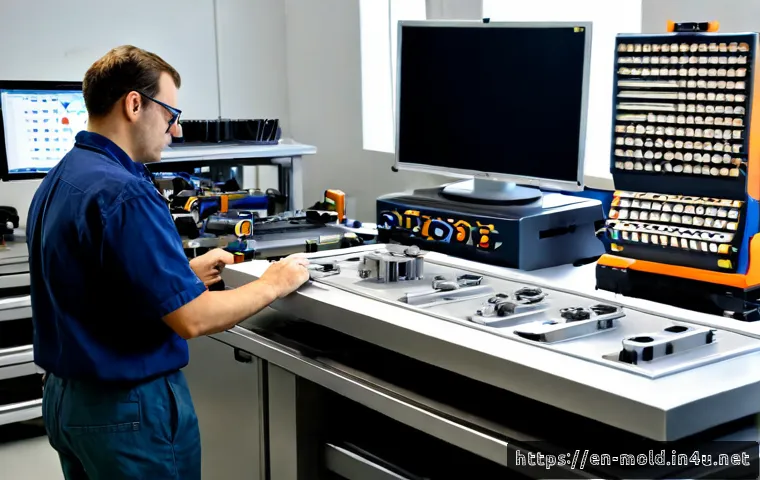
When you first step into mold design work after certification, it’s tempting to dive straight into complex assignments. But from my experience, beginning with smaller projects helps you really understand the fundamentals without feeling overwhelmed.
These projects allow you to apply theoretical knowledge in a controlled environment, making mistakes less costly and learning more effective. For example, designing a basic injection mold with fewer cavities or simpler geometry can teach you how to optimize cooling channels, gate locations, and ejection mechanisms.
It’s like training wheels for mold design—you gradually build confidence and skills that will serve you well in bigger challenges.
Learning by Doing: The Power of Iteration
One thing I noticed early on was how much faster my skills improved when I iterated designs based on real feedback. After completing a design, reviewing it with experienced colleagues or through simulation software revealed subtle flaws that textbooks didn’t cover.
This iterative approach pushes you to refine your work, consider manufacturability, and anticipate potential defects before production. Don’t be discouraged if your first few attempts aren’t perfect—each version is a stepping stone.
Over time, you’ll develop an intuition for how small changes can dramatically improve mold function and product quality.
Leveraging Technology: CAD and Simulation Tools
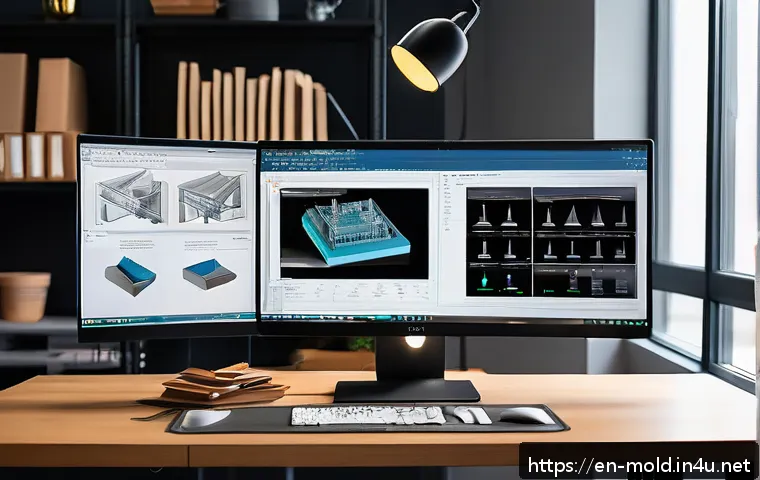
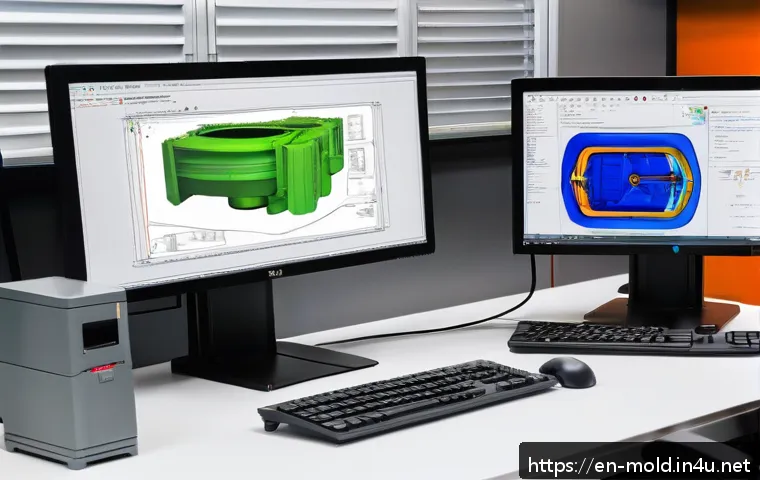
Mastering CAD software and simulation tools like Moldflow or SolidWorks is essential in today’s mold design landscape. I found that beyond basic drafting, using these tools to simulate mold filling, cooling, and warpage gave me insights that were impossible to gain otherwise.
For instance, seeing how molten plastic flows through your mold in a virtual environment helps you identify potential air traps or weld lines early. It also speeds up the design process by allowing quick adjustments without physical prototyping.
Investing time to become proficient in these technologies will not only increase your efficiency but also make you a valuable asset on any team.
Understanding Industry Standards and Material Behavior
Material Selection: Why It’s More Than Just Picking Plastic
One of the biggest eye-openers in my early career was realizing how critical material properties are to mold design success. Different plastics behave uniquely under heat and pressure, which directly impacts mold temperature settings, cooling time, and potential shrinkage.
For example, choosing a semi-crystalline polymer like polypropylene requires different mold venting and cooling strategies compared to an amorphous polymer like ABS.
Knowing how these materials react during injection molding helps you avoid common defects like warpage or sink marks. It’s not just about selecting a plastic; it’s about anticipating how it interacts with your mold design.
Quality Standards and Compliance
Navigating industry standards such as ISO or ASTM for mold and product quality can seem daunting at first. However, adhering to these standards ensures your designs meet customer expectations and regulatory requirements.
I learned that documenting design specifications, tolerances, and testing protocols is as important as the design itself. This documentation helps streamline communication with manufacturers and quality control teams, reducing costly reworks.
Staying updated on evolving standards also gives you a competitive edge, showing clients you’re committed to delivering reliable and safe products.
Impact of Environmental Factors on Mold Performance
Environmental conditions, such as temperature fluctuations and humidity, can subtly affect mold performance and longevity. Early in my career, I didn’t pay much attention to how the operating environment might influence mold wear or material behavior.
Over time, I realized that molds used in humid or temperature-variable settings require different maintenance schedules and sometimes material upgrades to prevent corrosion or thermal fatigue.
This awareness not only helps extend mold life but also ensures consistent product quality, even in challenging production environments.
Effective Communication and Collaboration in the Workplace
Bridging the Gap Between Design and Manufacturing Teams
One of the toughest adjustments after certification is learning how to communicate your design intent clearly to manufacturing engineers and machinists.
I found that using visual aids like 3D models and annotated drawings made a huge difference in avoiding misunderstandings. It’s also helpful to involve production teams early in the design process to get their input on practical constraints.
This collaboration helps prevent costly redesigns and fosters a sense of shared ownership. Remember, a great mold design isn’t just about technical perfection—it’s about how well it translates into real-world production.
Handling Feedback Constructively
Receiving critical feedback can be tough, especially when you’re new and eager to prove yourself. I’ve been there—feeling defensive or discouraged after a review.
But over time, I learned to treat feedback as a valuable learning opportunity. Asking clarifying questions and seeking examples helped me understand the rationale behind suggestions.
This mindset shift not only improved my designs but also built stronger relationships with colleagues. Constructive criticism is a powerful tool for growth, so embrace it rather than fear it.
Documenting and Sharing Knowledge
As you gain experience, documenting your solutions and lessons learned is incredibly helpful—not just for yourself but for your entire team. I started keeping a personal log of design challenges and how I overcame them, which became a quick reference during tight deadlines.
Sharing this knowledge through informal presentations or internal wikis also elevated my standing as a resourceful team member. In fast-paced manufacturing environments, having accessible, practical knowledge can save hours of troubleshooting and keep projects on track.
Time Management and Prioritization Strategies
Balancing Quality and Speed
Early in my career, I struggled with the pressure to deliver designs quickly without compromising quality. What helped me was adopting a prioritization framework—identifying which aspects of the mold design demanded meticulous attention and which could be streamlined.
For example, critical features like core-cavity alignment or cooling efficiency always took precedence, while less impactful aesthetic details were addressed later.
This approach allowed me to meet deadlines without sacrificing the integrity of the mold, ultimately building trust with supervisors and clients.
Using Checklists and Templates
Developing standardized checklists and templates for common design tasks was a game-changer. These tools ensured I didn’t overlook essential steps like tolerance verification or material compatibility checks.
It also sped up routine workflows by providing a clear roadmap. I recommend customizing these templates based on your company’s specific processes and continuously updating them as you gain more insight.
Over time, this habit not only reduces errors but also frees up mental space for creative problem-solving.
Managing Interruptions and Multitasking
Manufacturing environments are often noisy and full of distractions, which can make focused design work challenging. I learned to block off dedicated “quiet hours” during my day where I could concentrate deeply on complex modeling tasks.
Using techniques like the Pomodoro method helped me stay productive while allowing short breaks to handle emails or quick questions. It’s important to communicate your availability to teammates so they respect these focused periods.
Finding your rhythm in managing interruptions is crucial for maintaining high-quality output.
Continual Learning and Skill Development
Staying Updated with Industry Trends
The mold design field evolves rapidly, with new materials, software updates, and manufacturing techniques emerging regularly. I’ve made it a habit to subscribe to industry newsletters, attend webinars, and participate in forums to stay current.
This not only broadens my knowledge but also sparks innovative ideas I can apply immediately. For example, learning about additive manufacturing advancements opened up new possibilities for prototype molds in my projects.
Staying curious and proactive about learning keeps you ahead of the curve.
Seeking Mentorship and Networking
Having a mentor who’s navigated the same challenges can accelerate your growth tremendously. I was fortunate to connect with experienced designers who provided practical advice, reviewed my work, and introduced me to valuable contacts.
Building a network within your industry also exposes you to diverse perspectives and job opportunities. Don’t hesitate to reach out at conferences or online groups—most professionals are happy to share their knowledge if you show genuine interest.
Investing in Advanced Training and Certifications
Once you’ve mastered the basics, pursuing advanced courses or specialized certifications can deepen your expertise and enhance your resume. I personally took additional training in mold flow analysis and precision machining, which opened doors to more complex projects and higher salaries.
Employers appreciate candidates who demonstrate commitment to continuous improvement, and these credentials can set you apart in competitive job markets.
Consider what skills align with your career goals and invest accordingly.
Common Pitfalls and How to Avoid Them
Overlooking Mold Maintenance Considerations
One common mistake I’ve seen is neglecting how design choices affect mold maintenance. For instance, complex geometries might look impressive but can be a nightmare to clean or repair.
Early in my career, I designed a mold that required disassembly of multiple parts for routine maintenance, causing significant downtime. Learning to design with maintainability in mind—such as using standardized inserts or accessible components—saves time and money in the long run.
Ignoring Feedback from Production Staff
It’s easy to get tunnel vision focused on the design itself and overlook practical feedback from machine operators or maintenance teams. I once ignored a technician’s advice about ejector pin placement, which resulted in repeated part damage.
Incorporating their insights early can prevent such issues and improve overall process efficiency. Remember, these professionals have hands-on experience that complements your design expertise.
Failing to Document Design Changes Thoroughly
In the rush to meet deadlines, skipping thorough documentation of design revisions can cause confusion later. I’ve had projects where undocumented changes led to mismatched parts and costly delays.
Keeping a clear revision history, including reasons for changes and approvals, ensures everyone stays aligned and facilitates troubleshooting if problems arise.
Good documentation is a simple but powerful habit that protects your work and reputation.
Key Skills and Tools Comparison for Mold Design Efficiency
| Skill/Tool | Benefit | Recommended Use |
|---|---|---|
| CAD Software (SolidWorks, AutoCAD) | Precision modeling and detailed drawings | Designing mold components and assemblies |
| Simulation Software (Moldflow, Moldex3D) | Predicts flow, cooling, and warpage issues | Optimizing mold design before prototyping |
| Material Knowledge | Ensures proper selection for durability and quality | Choosing plastics based on product requirements |
| Communication Skills | Improves collaboration and reduces errors | Coordinating with production and quality teams |
| Project Management | Keeps design process on schedule and organized | Managing timelines and prioritizing tasks |
| Documentation Practices | Maintains clarity and traceability of changes | Recording design iterations and approvals |
Conclusion
Building expertise in mold design is a journey that combines hands-on experience, continuous learning, and effective collaboration. Starting with manageable projects and embracing iterative feedback sharpens your skills over time. By integrating technology, understanding materials, and maintaining clear communication, you can deliver high-quality designs that stand up to real-world demands. Remember, every challenge is an opportunity to grow and refine your craft.
Helpful Tips
1. Break down complex projects into smaller tasks to build confidence and avoid overwhelm.
2. Use simulation tools early to detect potential issues before physical prototyping.
3. Engage with production teams from the start to ensure designs are practical and manufacturable.
4. Keep detailed documentation of all design changes to maintain clarity and prevent costly errors.
5. Invest time in ongoing training and networking to stay current with industry advancements.
Key Takeaways
Successful mold design hinges on balancing technical precision with practical considerations. Prioritize designs that are maintainable and collaborate closely with manufacturing teams to incorporate their insights. Embrace iterative feedback and use advanced software tools to optimize your designs efficiently. Above all, commit to continuous learning and thorough documentation to build trust and deliver consistent, high-quality results.
Frequently Asked Questions (FAQ) 📖
Q: uestionsQ1: What are the most important skills to focus on right after getting certified in mold design?
A: Right after certification, it’s crucial to build a strong foundation in CAD software proficiency, understanding material properties, and grasping basic manufacturing processes.
From my experience, mastering these areas early on helps you tackle real-world problems more confidently. Also, sharpening your problem-solving skills and staying updated with the latest industry standards can give you a noticeable edge.
Don’t hesitate to seek mentorship or hands-on projects; practical exposure accelerates learning far beyond theory.
Q: How can I keep up with the rapid technological changes in mold design and manufacturing?
A: Keeping pace with technological advancements can feel daunting, but setting a routine for continuous learning makes a huge difference. Personally, I subscribe to industry newsletters, join professional groups, and attend webinars or workshops regularly.
Experimenting with new software tools and staying curious about emerging trends like additive manufacturing or automation helped me stay relevant. Remember, adaptation is a skill in itself—embrace change as part of your growth journey rather than a hurdle.
Q: What are some common challenges new mold designers face when transitioning from certification to real-world work, and how can they overcome them?
A: One of the biggest challenges is bridging the gap between theoretical knowledge and practical application. For instance, dealing with unexpected material behavior or design constraints often isn’t covered in certification courses.
When I first faced this, I found that collaborating closely with experienced engineers and participating in cross-functional meetings provided insights I couldn’t get alone.
Patience and proactive communication are key. Also, don’t shy away from asking questions—real-world experience is a learning curve, and every challenge is an opportunity to improve.