In today’s fast-evolving manufacturing landscape, mastering mold design is more critical than ever for engineers and designers aiming to stay ahead. With advancements in materials and automation reshaping the industry, carving out a successful career in mold design demands both technical expertise and strategic growth.

Whether you’re just starting or looking to elevate your skills, understanding the roadmap to mastery can open doors to exciting opportunities. In this guide, we’ll explore essential steps and insider tips to help you build a thriving career in mold design that keeps pace with the latest trends and technologies.
Stay with me as we dive into what it really takes to become an expert in this dynamic field.
Building a Strong Technical Foundation
Mastering Core Mold Design Principles
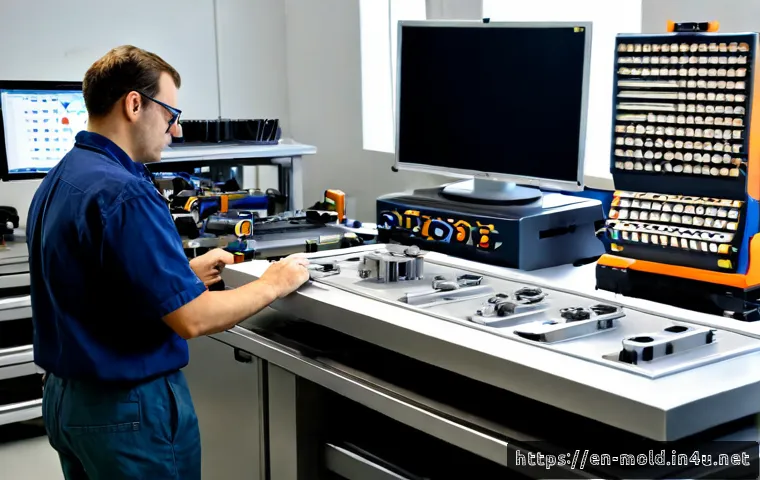
To truly excel in mold design, getting a grip on the fundamental concepts is non-negotiable. This means understanding the different types of molds, such as injection, blow, and compression molds, and how each affects the manufacturing process.
Knowing the basics of material flow, cooling channels, and draft angles can make a huge difference in creating efficient, high-quality molds. When I first started, focusing on these core principles helped me avoid costly mistakes later on.
It’s not just about knowing the theory but being able to apply it practically in real-world projects.
Hands-On Experience with CAD and Simulation Tools
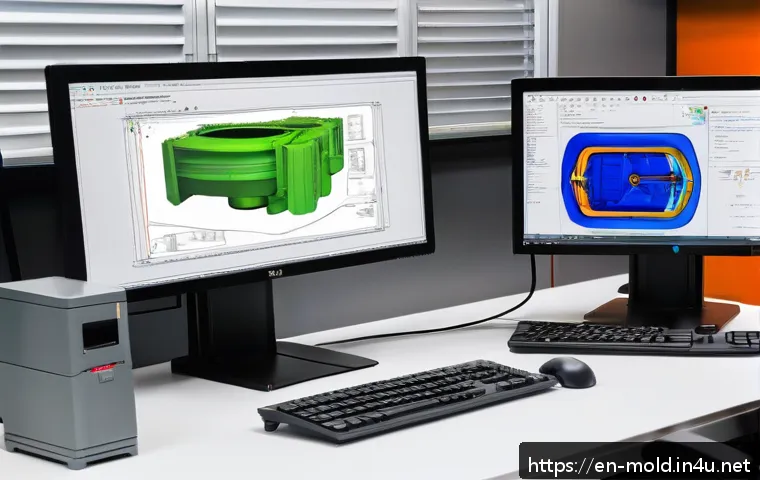
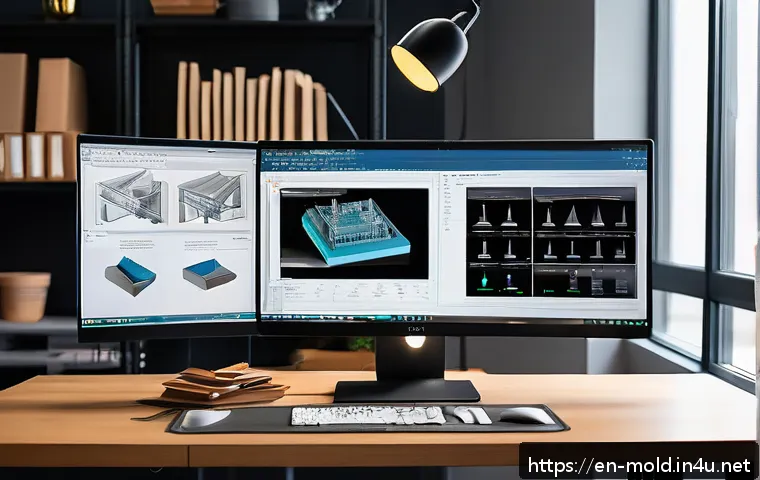
Nothing beats diving into CAD software like SolidWorks or AutoCAD to build your design chops. Beyond just drafting, these tools allow you to simulate mold behavior under different conditions, which is crucial for spotting potential issues early.
My personal experience shows that spending extra time mastering mold flow analysis software like Moldflow can save weeks of trial and error on the shop floor.
The more fluent you are with these digital tools, the more you can innovate and optimize your designs before production even begins.
Understanding Material Science and Its Impact
Material choice dramatically influences mold design. Knowing how plastics, metals, or composites behave under heat and pressure guides decisions on mold construction and maintenance.
Early in my career, I underestimated how different polymers could affect shrinkage and cooling time, leading to defects. Delving into material science not only improves your designs but also helps you communicate better with material suppliers and production teams, streamlining the entire manufacturing workflow.
Enhancing Problem-Solving and Innovation Skills
Learning from Real-World Challenges
Every mold design project comes with its unique hurdles—be it warping, flash, or cycle time inefficiencies. The key is to approach these problems methodically rather than rushing for quick fixes.
Over time, I’ve found that documenting and analyzing past failures is invaluable for developing a troubleshooting mindset. This practice leads to creating more robust, reliable molds that minimize downtime and reduce costs.
Staying Updated on Industry Trends and Technologies
Mold design isn’t static; it evolves with advances like additive manufacturing, smart molds, and automation integration. Keeping an eye on emerging tech through trade shows, webinars, and industry journals keeps you ahead of the curve.
Personally, exploring 3D printing for rapid prototyping gave me a new perspective on speeding up design iterations. Embracing innovation is essential to remain competitive and deliver cutting-edge solutions.
Collaborating Across Disciplines
Great mold designers don’t work in isolation. You need to liaise with process engineers, quality control teams, and suppliers to ensure designs are manufacturable and meet specifications.
I’ve seen firsthand how open communication and teamwork lead to smoother project execution and better end products. Developing soft skills like negotiation and empathy is just as important as technical prowess in this collaborative environment.
Developing Project Management and Leadership Abilities
Organizing Complex Design Projects
Managing timelines, resources, and client expectations is a huge part of successful mold design careers. Early on, I learned that keeping detailed schedules and progress reports prevents costly delays.
Using project management software helps track milestones and allocate tasks efficiently. Strong organizational skills enable you to juggle multiple projects without compromising quality or deadlines.
Mentoring and Knowledge Sharing
Once you gain experience, guiding junior engineers or interns can deepen your expertise. Teaching forces you to clarify your own understanding and stay current with best practices.
I’ve found that mentoring fosters a supportive culture that benefits everyone involved and often sparks fresh ideas. Sharing knowledge also establishes your reputation as a trusted expert in the field.
Negotiating with Stakeholders
Whether it’s securing budget for new software or discussing design changes with clients, negotiation skills come into play frequently. Approaching conversations with clear data and a collaborative attitude increases your chances of positive outcomes.
Over time, I’ve become more confident in presenting technical justifications in a way that non-engineers can appreciate, smoothing the path to approval.
Expanding Expertise through Certifications and Continued Learning
Professional Certifications That Matter
Certifications like the Mold Design Certificate from recognized bodies can validate your skills and boost your credibility. I pursued a few industry-recognized certifications, and they opened doors to better job opportunities and higher pay.
These programs often cover cutting-edge techniques and safety standards that keep you aligned with industry expectations.
Continuous Learning via Workshops and Online Courses
The learning never stops in this field. Platforms like Coursera or LinkedIn Learning offer specialized courses on topics like mold flow analysis, additive manufacturing, or materials engineering.
I make it a point to complete at least one course every quarter to stay sharp. This habit not only improves my technical skills but also signals to employers that I’m committed to growth.
Networking with Industry Professionals

Joining professional organizations and attending conferences is a great way to learn from peers and industry leaders. Networking has helped me discover new job openings, collaborate on projects, and even find mentors who guided me through tough career decisions.
Building a strong professional network is an investment that pays dividends over time.
Balancing Practical Skills with Soft Skills for Career Growth
Effective Communication in Technical Environments
Being able to explain complex mold designs and challenges to non-technical stakeholders is a game-changer. I’ve experienced situations where clear communication prevented costly misunderstandings and improved client satisfaction.
Developing storytelling skills around your projects makes your work more relatable and impactful.
Time Management and Prioritization
With multiple deadlines and shifting priorities, managing your time efficiently is essential. I use techniques like the Pomodoro method to maintain focus and break down large tasks into manageable chunks.
Prioritizing urgent versus important tasks helps reduce stress and ensures that critical project components get the attention they deserve.
Adaptability in a Dynamic Industry
The manufacturing sector can change rapidly with new regulations, market demands, or technology shifts. Staying flexible and open to learning new methods has helped me navigate these changes without losing momentum.
Embracing a growth mindset allows you to turn challenges into opportunities and keeps your career trajectory on the rise.
Key Skills and Tools for Mold Designers at a Glance
| Skill/Tool | Description | Impact on Career |
|---|---|---|
| CAD Software (SolidWorks, AutoCAD) | Design and visualize molds with precision, enabling detailed modeling and revisions | Enhances design accuracy and reduces errors, speeding up development time |
| Mold Flow Analysis | Simulates material flow and cooling, predicting potential defects | Prevents costly design flaws and improves product quality |
| Material Science Knowledge | Understanding behavior of plastics and metals under molding conditions | Informs better material choices, reducing scrap and improving durability |
| Project Management Tools | Software like MS Project or Trello for tracking progress and resource allocation | Improves organization, ensuring timely and efficient project delivery |
| Communication Skills | Ability to convey technical information clearly to diverse audiences | Facilitates collaboration and stakeholder buy-in |
| Certifications | Industry-recognized credentials validating expertise and commitment | Boosts employability and potential for career advancement |
Leveraging Industry Experience to Advance Your Career
Documenting Your Projects and Lessons Learned
Keeping a detailed record of your projects, challenges, and solutions is more than just good practice—it’s a career asset. I maintain a portfolio that showcases my best work and lessons learned, which has been invaluable during performance reviews and job interviews.
This habit helps reflect on growth areas and demonstrates your evolving expertise.
Seeking Feedback and Continuous Improvement
Constructive feedback from peers and supervisors is a powerful tool for growth. Early in my career, I was hesitant to ask for input, but I quickly realized that welcoming criticism helped me identify blind spots and improve faster.
Actively seeking feedback fosters a culture of learning and shows your commitment to excellence.
Setting Clear Career Goals and Milestones
Without a roadmap, it’s easy to feel stuck. I recommend setting specific, measurable goals—like mastering a new software, earning a certification, or leading a project team.
Breaking these down into smaller milestones keeps motivation high and allows you to celebrate progress. Clear goals provide direction and help you make strategic decisions about your career path.
Conclusion
Building a solid foundation in mold design requires mastering both technical skills and soft skills. Through hands-on experience, continuous learning, and collaboration, you can navigate challenges and innovate effectively. Staying adaptable and focused on growth will help you advance your career and deliver outstanding results in this dynamic field.
Helpful Information
1. Prioritize learning core mold design principles before diving into complex projects to avoid common pitfalls.
2. Invest time in mastering CAD and simulation tools; they significantly reduce errors and speed up development.
3. Understanding material science improves communication with suppliers and enhances mold quality.
4. Regularly update yourself with industry trends and technologies to stay competitive and innovative.
5. Develop strong communication and project management skills to ensure smooth collaboration and timely delivery.
Key Takeaways
Success in mold design hinges on a balance of technical expertise and interpersonal skills. Hands-on experience with design software and material knowledge lays the groundwork, while problem-solving and collaboration drive innovation. Continuous learning and clear career planning are essential to maintain relevance and achieve long-term growth in this ever-evolving industry.
Frequently Asked Questions (FAQ) 📖
Q: uestions about Building a Career in Mold DesignQ1: What key skills should I focus on to become a successful mold designer?
A: To excel in mold design, you need a strong foundation in CAD software like SolidWorks or AutoCAD, a solid understanding of materials science, and knowledge of manufacturing processes such as injection molding.
Beyond technical skills, problem-solving ability and attention to detail are crucial since mold design demands precision. From my experience, mastering simulation tools that predict mold flow and cooling can significantly reduce costly errors.
Also, staying updated on automation and smart manufacturing trends helps you design molds that integrate seamlessly with modern production lines.
Q: How can I stay competitive in the rapidly changing mold design industry?
A: The mold design field is evolving fast, thanks to new materials and automation technologies. To keep your edge, continuous learning is essential. This means enrolling in workshops, online courses, or certification programs focusing on the latest CAD advancements, additive manufacturing techniques, and Industry 4.0 applications.
Networking with professionals and joining industry forums can expose you to real-world challenges and solutions. Personally, attending trade shows and webinars has helped me discover innovative tools and connect with mentors who guided my growth.
Q: What career paths and opportunities are available for experienced mold designers?
A: Experienced mold designers can branch out into roles like project management, product development, or quality assurance within manufacturing firms. Some move into consulting, helping companies optimize their mold processes or implement automation strategies.
With sufficient expertise, transitioning into teaching or training roles is also common. From what I’ve seen, those who combine technical prowess with leadership skills often climb into senior engineering or R&D positions, opening doors to higher salaries and more strategic responsibilities.