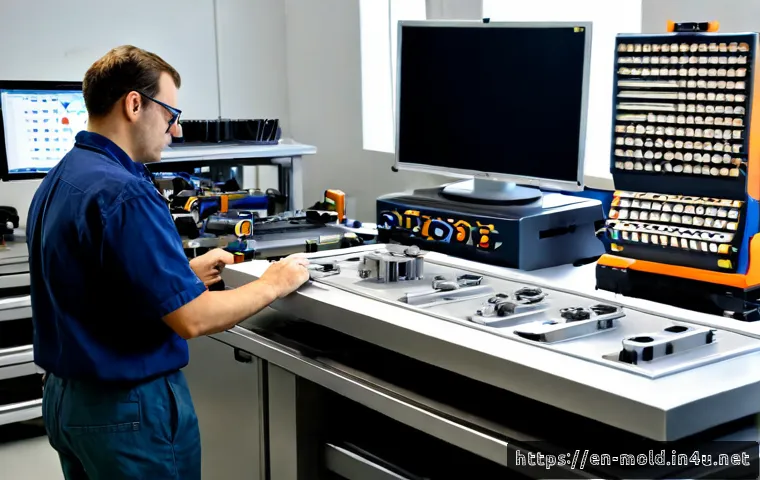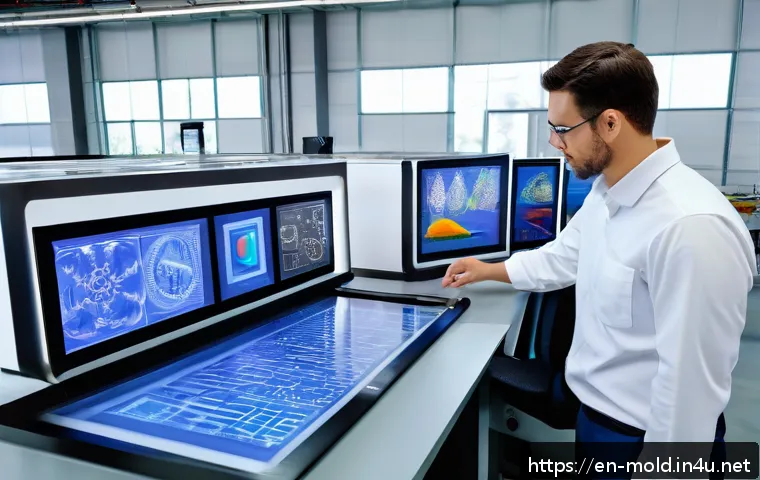
In today’s fast-paced manufacturing landscape, mold design technicians are stepping into the spotlight like never before. With 3D printing breakthroughs reshaping how products are developed, these specialists are driving unprecedented innovation on the factory floor.
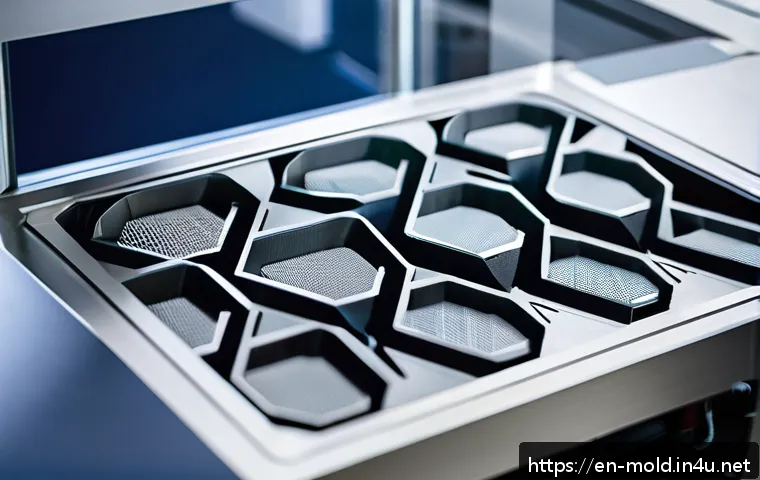
If you’ve ever wondered how rapid prototyping and precision tooling have become so seamless, the answer lies in their cutting-edge techniques. This exciting fusion of traditional mold design and additive manufacturing is not just improving efficiency—it’s rewriting the rules of production.
Stick around to discover how these unsung heroes are transforming manufacturing as we know it.
Revolutionizing Product Development with Digital Precision
Integrating CAD Models into Mold Fabrication
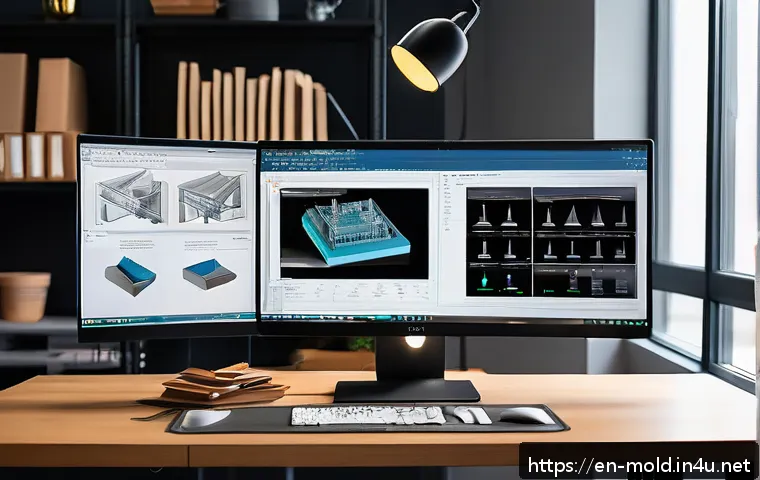
One of the biggest game-changers in mold design today is the seamless integration of CAD (Computer-Aided Design) models directly into manufacturing processes.
Instead of relying on hand-drawn blueprints or basic 2D sketches, technicians now work with highly detailed 3D digital models. This shift allows for better visualization of the mold geometry, enabling engineers to detect flaws or inefficiencies early on.
From my experience, having access to precise CAD data reduces costly reworks and shortens design cycles substantially. This digital foundation paves the way for additive manufacturing techniques to take hold in mold production, blending traditional craftsmanship with modern technology in a way that feels almost effortless.
How Simulation Software Enhances Mold Testing
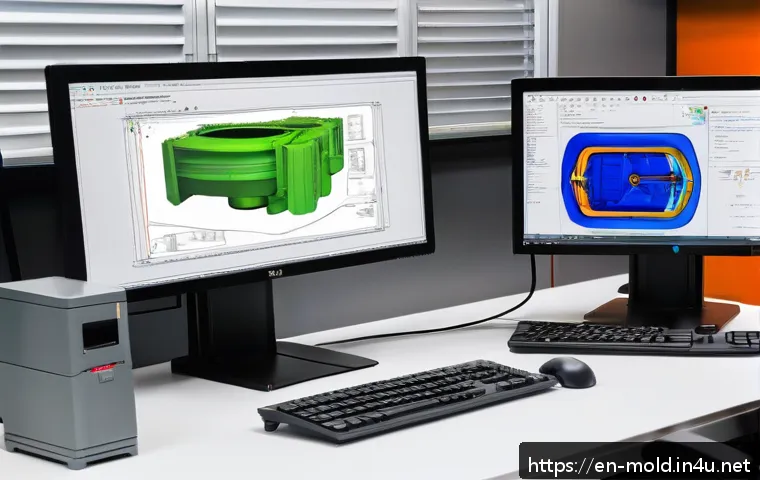
Before a mold ever hits the factory floor, simulation software plays a crucial role in predicting how it will behave under real-world conditions. These programs simulate molten material flow, cooling rates, and potential warping, allowing technicians to optimize mold designs for durability and performance.
I’ve seen firsthand how this predictive capability saves time and money by avoiding trial-and-error iterations. The ability to virtually test molds before manufacturing means fewer surprises during production runs and more consistent quality in the final products.
This proactive approach is especially vital as molds become more complex and tailored for niche applications.
Bridging the Gap Between Design and Manufacturing
The handoff between design teams and manufacturing is no longer a black box. Thanks to integrated software platforms, designers and fabricators collaborate more closely than ever.
Real-time updates, cloud-based sharing, and version control mean everyone stays on the same page, minimizing miscommunication. My observation is that this collaboration significantly accelerates project timelines and improves the adaptability of molds for custom orders.
When issues arise, they’re addressed promptly because all stakeholders can visualize the problem through shared 3D models. This synergy between digital design and physical production is a cornerstone of today’s agile manufacturing landscape.
Empowering Rapid Prototyping through Additive Manufacturing
Speeding Up Iterations with 3D Printing
The ability to produce prototype molds quickly using 3D printing has completely transformed product development workflows. Instead of waiting weeks for traditional machining, designers can now print functional prototypes in a matter of days, or even hours.
From my experience, this acceleration doesn’t just improve efficiency; it fuels creativity by allowing more design experiments without worrying about cost or time penalties.
The immediacy of 3D printing means that feedback loops tighten, and better molds emerge faster, ultimately leading to higher-quality final products.
Material Advancements for Functional Prototypes
Early 3D printing materials were mostly limited to basic plastics, which didn’t always hold up under real-world mold testing conditions. Fortunately, material science has caught up, offering high-strength, heat-resistant polymers and even metal powders suitable for additive manufacturing.
I’ve personally tested a variety of these materials, and the difference is night and day—functional prototypes can now endure stress tests that closely mimic actual production environments.
This progress means rapid prototyping is no longer just about form and fit; it’s about function and durability as well.
Cost-Effectiveness in Low-Volume Production
While traditional mold tooling requires significant upfront investment, 3D printed molds enable cost-effective low-volume production runs. This flexibility is invaluable for startups or companies testing new markets, where demand is uncertain.
In my dealings with various manufacturers, the ability to switch quickly between designs without heavy capital outlay has proven to be a competitive advantage.
It also opens doors for customization, allowing small batches of highly tailored parts to be produced without breaking the bank.
Optimizing Tooling Accuracy and Longevity
Precision Machining Meets Additive Techniques
Combining the precision of CNC machining with the versatility of 3D printing creates hybrid tooling solutions that excel in both accuracy and speed. Machining provides tight tolerances where needed, while additive manufacturing fills complex geometries that are otherwise impossible to machine.
From working alongside toolmakers, I’ve noticed how this hybrid approach produces molds with superior surface finishes and extended service life. The blend of subtractive and additive methods is a smart way to maximize the strengths of both technologies.
Surface Treatments and Finishing Methods
After fabrication, molds often require surface treatments such as polishing, coating, or heat treatment to enhance performance. These finishing steps are critical for reducing wear and ensuring consistent product quality.
I’ve seen how integrating these processes early in the design phase, especially with 3D printed molds, helps prevent costly defects down the line. The key is understanding how each treatment interacts with the base material and the intended application to optimize durability and efficiency.
Regular Maintenance Strategies for Mold Longevity
Even the best-designed molds need proper maintenance to perform well over time. Scheduling regular inspections, cleaning, and minor repairs extends mold life and reduces unexpected downtime.
I recommend implementing a digital tracking system that logs usage hours and maintenance activities, providing valuable data for predictive upkeep. This proactive mindset keeps manufacturing lines running smoothly and prevents costly disruptions.
Enhancing Collaboration Across the Manufacturing Ecosystem
Cloud-Based Platforms for Real-Time Feedback
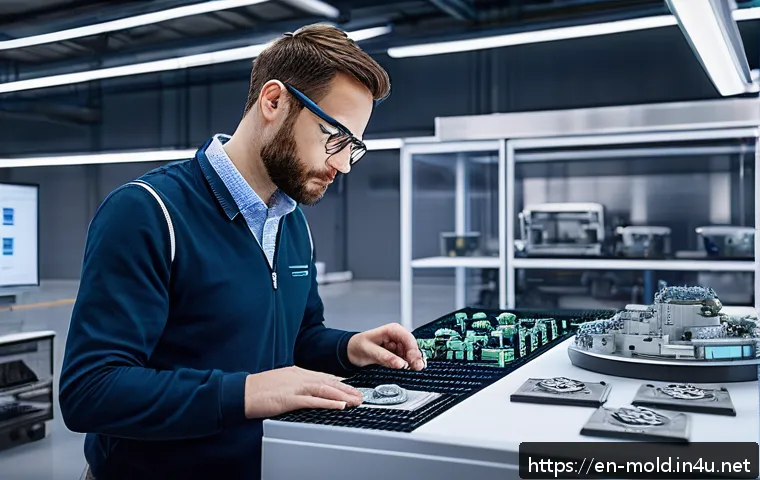
Modern manufacturing thrives on instant communication and data sharing. Cloud platforms allow designers, engineers, and production teams to access up-to-date mold files and project notes anytime, anywhere.
From my interactions with various stakeholders, this transparency dramatically improves response times to issues and aligns expectations across departments.
It’s a game-changer for projects with tight deadlines or complex specifications, where every minute counts.
Cross-Disciplinary Knowledge Exchange
Mold design no longer lives in a silo. Engineers, material scientists, and production managers collaborate closely to optimize every aspect of the mold lifecycle.
My experience shows that fostering this cross-disciplinary dialogue sparks innovative solutions that wouldn’t emerge otherwise. When people with different expertise pool their insights, the result is smarter designs and more efficient manufacturing processes.
Training and Skill Development in a Digital Era
As mold design incorporates more digital tools and additive manufacturing, continuous learning becomes essential. I’ve witnessed companies investing heavily in upskilling their technicians through workshops and online courses.
Staying current with software updates, new materials, and emerging techniques ensures that teams remain competitive and capable of leveraging the latest advancements fully.
This commitment to education fuels long-term success and adaptability.
Environmental Impact and Sustainability Considerations
Reducing Waste with Additive Manufacturing
Traditional mold production often generates significant material waste due to subtractive machining processes. In contrast, 3D printing builds molds layer by layer, using only the material necessary.
From my perspective, this shift not only cuts costs but also aligns with growing demands for sustainable manufacturing. Companies adopting additive techniques can reduce their environmental footprint and appeal to eco-conscious customers.
Recycling and Reusing Mold Materials
Emerging technologies now allow for recycling leftover powders and polymers used in 3D printing, turning waste into valuable raw material again. I’ve seen facilities implementing closed-loop systems that reclaim and repurpose materials, which is a smart way to lower overall resource consumption.
This circular approach is becoming a best practice, reflecting a broader industry trend toward sustainability.
Energy Efficiency in Production Processes
Beyond material savings, optimizing energy use during mold fabrication is critical. Advanced 3D printers and CNC machines with improved power management contribute to greener operations.
My observation is that manufacturers who prioritize energy efficiency often experience cost savings alongside environmental benefits. Investing in energy-conscious equipment and process improvements pays dividends both financially and ethically.
Comparing Traditional and Additive Mold Making Techniques
| Aspect | Traditional Mold Making | Additive Manufacturing |
|---|---|---|
| Production Speed | Weeks to months | Days to hours |
| Cost Efficiency | High upfront tooling cost | Low setup cost, ideal for low volume |
| Design Flexibility | Limited by machining constraints | Complex geometries easily achievable |
| Material Waste | High due to subtractive processes | Minimal, uses only necessary material |
| Surface Finish | Typically smooth, ready for production | May require post-processing |
| Durability | Long-lasting molds | Improving with advanced materials |
Conclusion
Digital precision is transforming product development, making mold design faster, more accurate, and cost-effective. By embracing CAD integration, simulation, and additive manufacturing, companies can innovate with greater confidence and agility. These advancements not only enhance quality but also foster collaboration and sustainability throughout the manufacturing process.
Helpful Information to Know
1. Utilizing CAD models early in the design phase reduces errors and shortens development cycles, saving time and money.
2. Simulation software allows virtual testing of molds, preventing costly mistakes before physical production begins.
3. 3D printing accelerates prototyping, enabling rapid design iterations and fostering creativity without heavy expenses.
4. Hybrid tooling that combines CNC machining and additive manufacturing delivers both precision and complex geometries.
5. Sustainable practices like recycling 3D printing materials and optimizing energy use contribute to greener manufacturing.
Key Takeaways
Embracing digital tools in mold fabrication leads to improved accuracy, faster turnaround, and cost savings. Collaboration across teams is vital for seamless design-to-production transitions. Additive manufacturing not only enhances flexibility and customization but also supports environmental responsibility. Regular maintenance and thoughtful finishing processes ensure mold longevity and consistent product quality. Together, these elements drive a smarter, more efficient manufacturing ecosystem ready for future challenges.
Frequently Asked Questions (FAQ) 📖
Q: uestionsQ1: How has 3D printing changed the role of mold design technicians in manufacturing?
A: 3D printing has revolutionized mold design by enabling rapid prototyping and more complex tooling that was previously difficult or impossible to produce.
From my experience working alongside mold design teams, the integration of additive manufacturing allows technicians to quickly iterate designs, reduce lead times, and enhance precision without the traditional constraints of machining.
This means faster development cycles and more innovative product features hitting the market sooner.
Q: What are the main benefits of combining traditional mold design with additive manufacturing?
A: Combining these two approaches brings the best of both worlds. Traditional mold design offers tried-and-true durability and surface finish quality, while additive manufacturing provides flexibility and speed.
In practice, this hybrid method reduces overall costs and waste, improves customization options, and allows for intricate geometries that improve product performance.
I’ve seen factories cut weeks off their production schedules simply by adopting this fusion technique.
Q: What skills should a mold design technician develop to excel in today’s manufacturing environment?
A: Beyond solid CAD and machining knowledge, mold design technicians should become proficient in 3D printing technologies and software, including simulation tools that predict how molds will perform under real conditions.
Communication skills are also key since they collaborate closely with engineers and production teams. From what I’ve observed, technicians who embrace continuous learning and adapt quickly to new digital tools thrive the most in this evolving landscape.