In today’s fast-evolving manufacturing landscape, understanding the nuances between Mold Design Certification and Plastic Mold Engineering has become more crucial than ever.
Whether you’re just starting your career or looking to deepen your expertise, distinguishing these paths can shape your professional journey significantly.
With the surge in demand for innovative product designs and sustainable materials, knowing where to focus your skills can set you apart. Let’s dive into what makes each field unique and how you can leverage this knowledge to unlock exciting opportunities ahead.
If you’ve ever wondered which certification or engineering path suits your goals best, this guide is tailored just for you.
Core Skill Sets and Technical Foundations
Understanding the Fundamentals of Mold Design
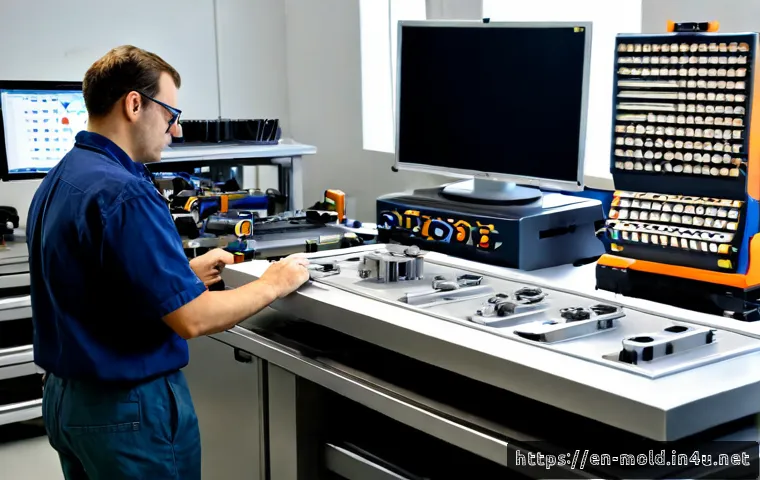
When you first step into the realm of mold design, the emphasis is heavily placed on mastering the geometric and functional aspects of molds. This means gaining a deep understanding of parting lines, draft angles, and the intricate details that ensure a mold functions smoothly during injection.
The knowledge here is very hands-on and precision-driven. From my own experience, diving into CAD software and simulating mold flow early on made a huge difference.
It’s not just about creating a shape but anticipating how molten plastic will behave once injected. This foresight is key to avoiding costly errors down the line.
Engineering Principles Behind Plastic Mold Development
Plastic mold engineering requires a broader grasp of materials science and mechanical engineering principles. Unlike basic mold design, this field demands you to think about thermal properties, cooling channel optimization, and the mechanical stresses that molds endure during production cycles.
I recall working on a project where improving cooling efficiency cut cycle time by almost 15%. It was a game-changer in terms of productivity and product quality.
This level of engineering insight is what sets plastic mold engineers apart, focusing on both design and operational efficiency.
Comparing Software Tools and Practical Applications
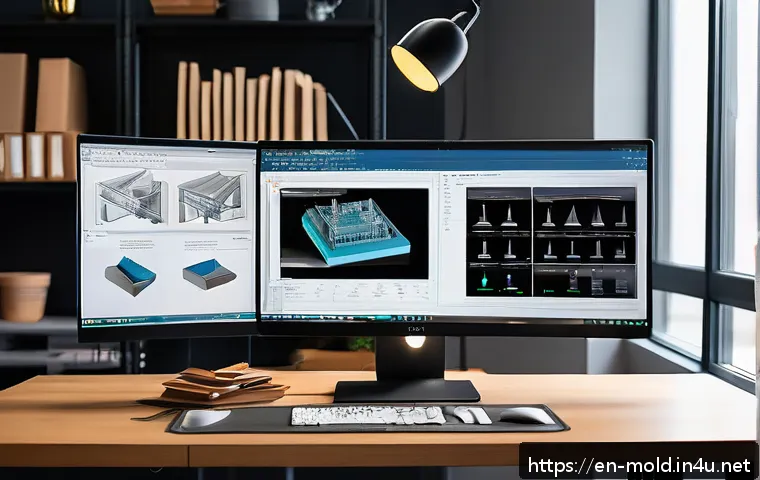
Both fields rely heavily on CAD and CAM tools, but the applications differ slightly. Mold design certifications often stress proficiency in design software like SolidWorks or AutoCAD for creating detailed mold components.
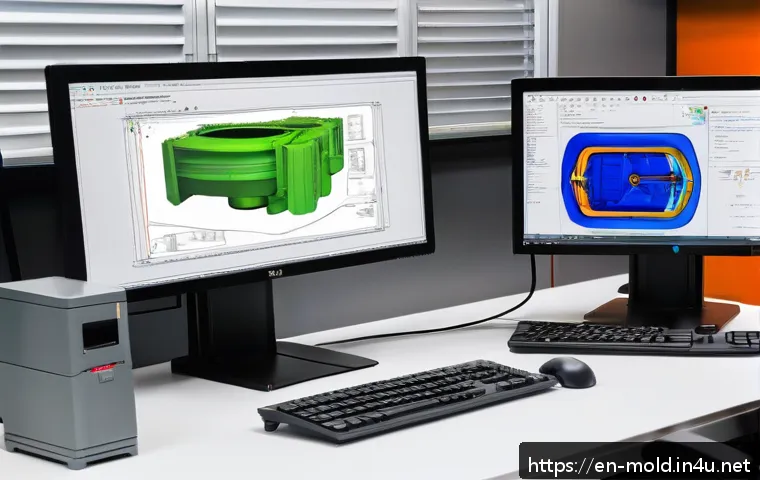
Meanwhile, plastic mold engineering leans more on simulation software such as Moldflow or Moldex3D to analyze flow, cooling, and warpage. Knowing when and how to use these tools effectively is crucial.
From my viewpoint, blending design creativity with engineering simulations leads to the most robust and innovative mold solutions.
Industry Expectations and Career Trajectories
Certification as a Stepping Stone
Obtaining a mold design certification often acts as an entry ticket into manufacturing firms, especially those focusing on custom tooling and prototyping.
Employers expect certified professionals to have a solid grasp of fundamental mold design techniques and the ability to produce accurate drawings ready for manufacturing.
Early in my career, having this certification opened doors to internships and junior design roles, allowing me to build practical experience rapidly.
Advancing Through Engineering Roles
Plastic mold engineering roles tend to demand higher qualifications or degrees in engineering disciplines. These positions often involve overseeing the entire mold development process, including material selection, stress analysis, and process optimization.
Professionals in this path usually find themselves in leadership or specialist roles after a few years. From what I’ve seen, engineers who embrace continuous learning and stay updated with emerging materials and technologies tend to climb the ladder faster.
Cross-Functional Collaboration and Growth
Both paths offer opportunities to collaborate closely with product designers, manufacturing teams, and quality assurance. Mold designers might find themselves iterating designs based on feedback from engineers or production challenges.
Conversely, plastic mold engineers often bridge the gap between design and manufacturing, ensuring molds meet both aesthetic and functional requirements.
This interplay creates a dynamic work environment where communication skills are as valuable as technical expertise.
Material Knowledge and Sustainability Considerations
Material Selection Impact on Mold Design
Choosing the right plastic material is critical, as it directly influences mold design parameters. Different polymers have varying shrinkage rates, flow behaviors, and thermal characteristics.
Mold designers must incorporate these factors to ensure dimensional accuracy and performance. I remember a project where switching from ABS to a biodegradable polymer required redesigning the mold to accommodate higher shrinkage, which was a steep but rewarding learning curve.
Sustainable Practices in Mold Engineering
Plastic mold engineers are increasingly challenged to incorporate sustainability into their workflows. This includes designing molds for recycled materials, optimizing cycle times to reduce energy consumption, and developing molds that minimize waste.
In one instance, optimizing cooling channels not only sped up production but also reduced the plant’s carbon footprint significantly. The push towards eco-friendly manufacturing is reshaping how molds are engineered, making environmental considerations a core part of the process.
Emerging Trends in Bioplastics and Recyclable Molds
With the rise of bioplastics, mold engineers must adapt to materials that behave differently than traditional plastics. This means rethinking gate locations, cooling systems, and ejection mechanisms.
In my recent experience, integrating bioplastic materials required extensive trial and error, but the payoff in sustainability was worth it. Staying informed about these trends can position professionals as valuable assets in forward-thinking companies.
Quality Assurance and Testing Protocols
Design Verification Techniques
Ensuring a mold design meets specifications before production is vital. Techniques like prototype testing, virtual simulations, and tolerance analysis are commonly employed.
Personally, I’ve found that physical prototyping combined with digital simulations catches most issues early, saving time and money. This dual approach allows for fine-tuning mold features to achieve optimal performance.
Monitoring Mold Performance in Production
Once a mold is in use, continuous monitoring is essential to maintain quality. Engineers track wear and tear, thermal cycling effects, and injection pressures.

Early detection of issues like flash or warping can prevent costly downtime. I’ve worked closely with production teams to establish maintenance schedules based on real-time data, which greatly extended mold life.
Implementing Feedback Loops for Continuous Improvement
Feedback from production and quality control teams informs iterative improvements in mold design and engineering. This ongoing loop helps refine processes and adapt molds to changing product requirements.
From my perspective, fostering open communication channels between design and manufacturing teams is key to driving innovation and maintaining high standards.
Professional Development and Certification Pathways
Choosing the Right Certification for Your Goals
There are various certifications available, each targeting different skill levels and specializations. For those starting out, basic mold design certifications build foundational knowledge.
For engineers, advanced certifications focus on process optimization and material expertise. Reflecting on my journey, selecting a certification aligned with my career goals provided a clear roadmap for growth.
Continuing Education and Skill Expansion
The manufacturing field evolves rapidly, making ongoing education critical. Workshops, online courses, and industry seminars help professionals stay current with new technologies and best practices.
Personally, attending hands-on training sessions has been invaluable for mastering emerging software and sustainable manufacturing techniques.
Networking and Industry Engagement
Building a professional network through industry events and forums opens doors to mentorship and collaboration opportunities. Engaging with peers and experts allows for knowledge exchange and career advancement.
I’ve found that participating in technical communities not only keeps me informed but also fuels inspiration for tackling complex projects.
Comparative Overview of Key Differences
| Aspect | Mold Design Certification | Plastic Mold Engineering |
|---|---|---|
| Primary Focus | Creating detailed mold blueprints and basic design principles | Engineering mold performance, materials, and process efficiency |
| Educational Requirements | Technical certification or diploma | Engineering degree or advanced technical training |
| Tools Used | CAD software (SolidWorks, AutoCAD) | Simulation software (Moldflow, Moldex3D) plus CAD |
| Career Path | Entry-level designer to senior mold designer | Engineer, process specialist, or project lead |
| Key Skills | Precision drafting, mold component knowledge | Material science, thermal analysis, process optimization |
| Industry Impact | Supports prototyping and tooling accuracy | Enhances production efficiency and product quality |
Practical Tips for Navigating Your Career Path
Gaining Hands-On Experience Early
Nothing beats real-world experience when it comes to mastering mold design or engineering. If you’re just starting, seek internships or entry-level roles that expose you to both design and production environments.
I recall how shadowing experienced engineers gave me insights that textbooks couldn’t offer, especially regarding troubleshooting unexpected mold issues.
Balancing Technical Skills with Soft Skills
Technical expertise is vital, but communication, teamwork, and problem-solving skills are equally important. Whether you’re explaining design changes or coordinating with manufacturing, being able to articulate your ideas clearly makes a huge difference.
I’ve seen projects stall simply due to poor communication, so honing these skills is a smart investment.
Staying Adaptable in a Changing Industry
The manufacturing world is evolving with automation, AI, and new materials continuously reshaping workflows. Embracing change and proactively learning new technologies can keep your skills relevant and your career progressing.
From my perspective, the most successful professionals are those who view challenges as opportunities to innovate rather than obstacles to avoid.
Conclusion
Understanding the distinctions between mold design certification and plastic mold engineering is essential for charting a successful career path. Both fields demand a mix of technical skills and hands-on experience, but their focus and depth differ significantly. By embracing continuous learning and adapting to industry trends, professionals can unlock rewarding opportunities. Ultimately, your dedication to mastering both design and engineering principles will set you apart in this evolving field.
Useful Information to Keep in Mind
1. Early exposure to real-world projects accelerates skill development and confidence in mold-related roles.
2. Balancing technical know-how with strong communication skills enhances teamwork and project outcomes.
3. Familiarity with both CAD and simulation software broadens your problem-solving capabilities.
4. Staying updated on sustainable materials and manufacturing trends positions you at the forefront of innovation.
5. Engaging with industry networks provides valuable mentorship and keeps you informed about emerging technologies.
Key Takeaways
Choosing between mold design certification and plastic mold engineering depends on your career ambitions and educational background. Mold design certifications offer a solid foundation in drafting and component creation, ideal for those entering the manufacturing design space. Plastic mold engineering requires deeper engineering expertise, focusing on material behavior, thermal management, and process efficiency. Regardless of the path, continuous improvement, cross-functional collaboration, and adaptability remain critical for long-term success in the mold industry.
Frequently Asked Questions (FAQ) 📖
Q: uestionsQ1: What is the main difference between Mold Design Certification and Plastic Mold Engineering?
A: Mold Design Certification primarily focuses on validating your skills and knowledge in designing molds, including understanding materials, CAD software, and manufacturing processes.
It’s more about proving your capability to create effective mold designs. Plastic Mold Engineering, on the other hand, is a broader discipline that involves the entire lifecycle of mold production—from conceptual design and material selection to troubleshooting and optimizing the molding process.
Essentially, certification is a credential that boosts your qualifications, while engineering is the hands-on profession applying those principles daily.
Q: How can obtaining a Mold Design Certification benefit my career compared to just having engineering experience?
A: From my experience, earning a Mold Design Certification can significantly enhance your credibility, especially when competing for roles or promotions.
It signals to employers that you have a validated, up-to-date mastery of mold design principles, which can sometimes outweigh years of experience alone.
Certification also often introduces you to the latest industry standards and technologies, helping you stay ahead. That said, combining certification with practical engineering experience is the best way to maximize your career growth and open doors to more specialized or higher-paying opportunities.
Q: Which path offers better job prospects in the current manufacturing industry: Mold Design Certification or Plastic Mold Engineering?
A: Both paths offer strong opportunities, but the best choice depends on your career goals. Plastic Mold Engineering tends to offer broader roles with more hands-on involvement in product development, quality control, and production optimization, which can lead to leadership positions over time.
Mold Design Certification is excellent if you want to specialize and be recognized as an expert in mold design, often leading to roles in design consulting or project management.
Given the rising demand for innovative and sustainable manufacturing solutions, professionals who combine both expertise tend to stand out the most in today’s job market.