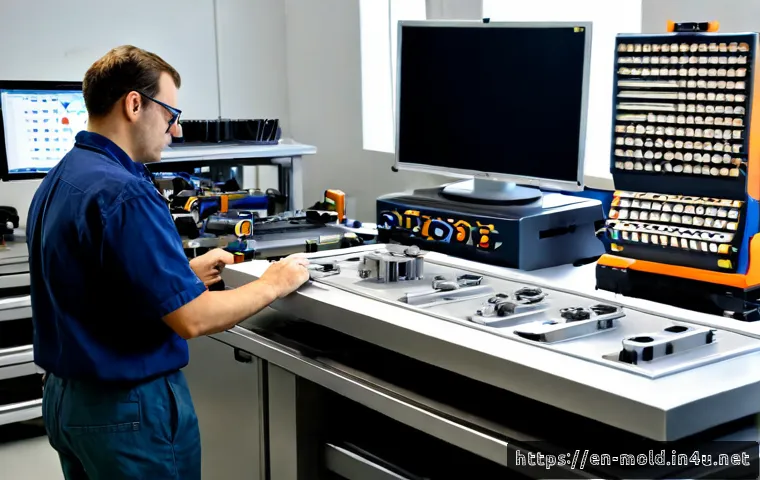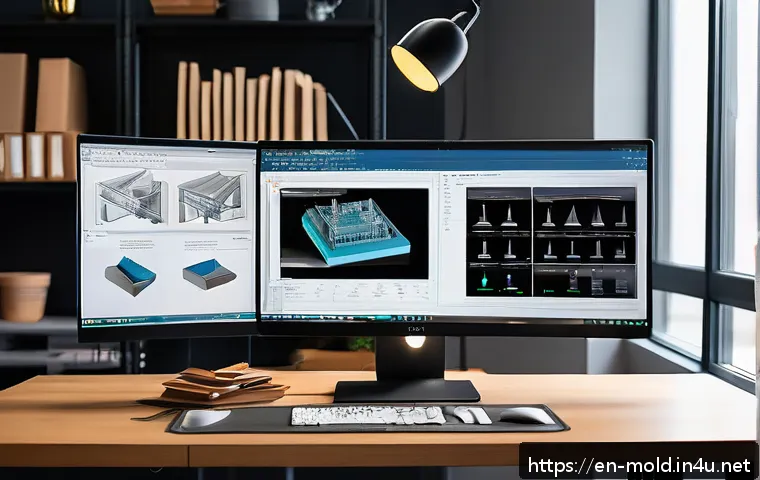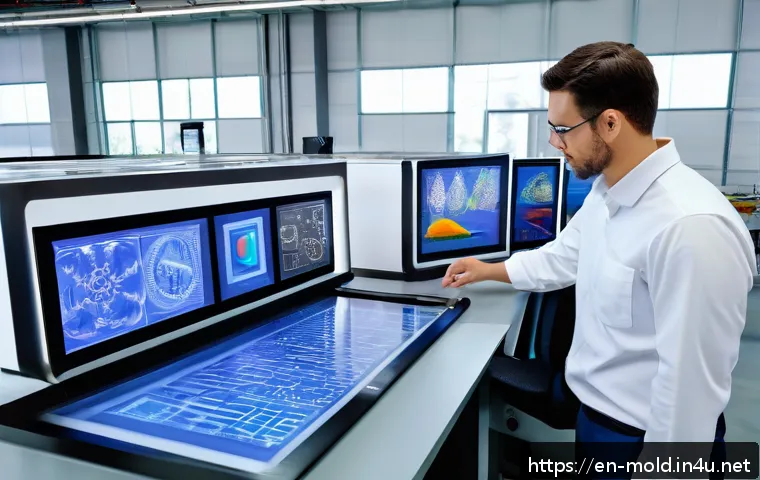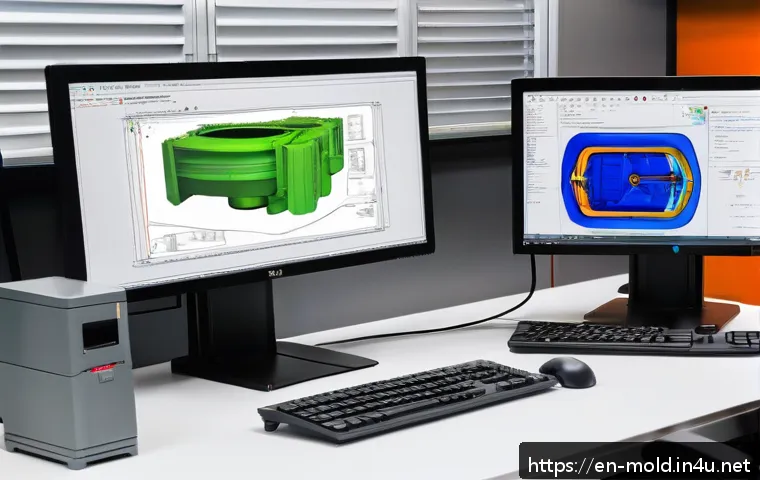
In today’s fast-paced manufacturing landscape, innovation is no longer optional—it’s essential. With AI and 3D printing rapidly advancing, mold design is undergoing a transformative shift that promises faster production times, enhanced precision, and unprecedented customization.
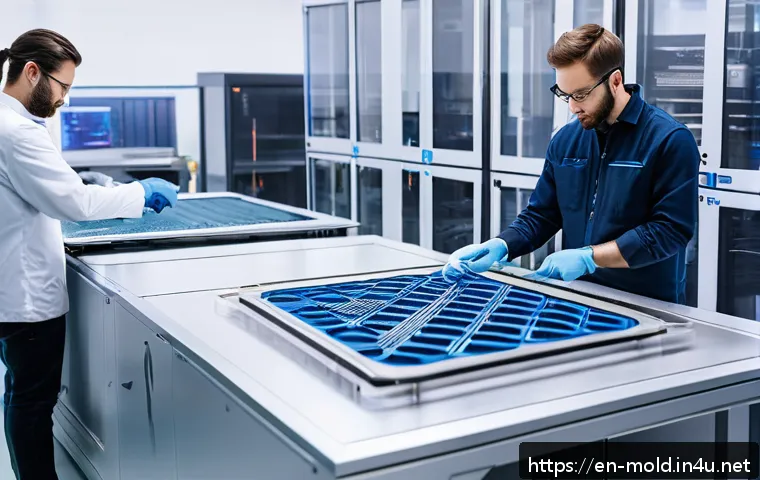
If you’ve ever wondered how cutting-edge technology is reshaping tooling, now is the perfect time to dive in. From reducing costs to enabling complex geometries previously thought impossible, these breakthroughs are setting new industry standards.
Stick around as we explore how this dynamic duo is revolutionizing the future of mold design and what it means for manufacturers worldwide.
Enhancing Mold Design Accuracy through Intelligent Simulation
Predictive Modeling for Flawless Mold Creation
One of the most game-changing advancements in mold design is the integration of intelligent simulation software. This technology allows engineers to virtually test and optimize mold designs before a single piece of material is cut.
From my experience, predictive modeling significantly reduces the risk of defects by highlighting potential weaknesses such as warping or incomplete fills.
This proactive approach has saved countless hours and resources on physical prototyping, which traditionally involved trial and error. Instead of waiting for a mold to fail during production, engineers can now make informed adjustments in the digital realm, ensuring that the final product meets exact specifications.
Real-Time Feedback and Iteration Cycles
What really impressed me was how some simulation platforms offer real-time feedback during the design process. This feature enables mold designers to tweak parameters on the fly, instantly seeing how changes affect flow dynamics, cooling rates, or stress distributions.
The iterative cycles become much faster and more intuitive, fostering creativity without sacrificing precision. When you’re under tight deadlines, this instant insight can mean the difference between launching a product on schedule or facing costly delays.
Reducing Waste and Environmental Impact
Beyond quality control, simulation-driven mold design also contributes to sustainability. By optimizing material usage and minimizing defects, manufacturers produce less scrap and reduce energy consumption.
This not only cuts costs but aligns with growing environmental regulations and corporate responsibility goals. In practical terms, fewer failed molds mean less landfill waste and a smaller carbon footprint, which is a win-win for businesses and the planet alike.
Unlocking Design Freedom with Advanced 3D Printing Techniques
Complex Geometries Made Possible
3D printing has shattered the limitations of traditional mold manufacturing, enabling the creation of intricate shapes that were once impossible or prohibitively expensive.
I recall a project where we needed a mold with internal cooling channels designed to optimize heat transfer — a feature that conventional machining simply couldn’t handle.
Using additive manufacturing, we crafted a mold with complex internal lattice structures that improved cycle times and product consistency. This level of design freedom empowers manufacturers to innovate without compromise.
Rapid Prototyping and On-Demand Manufacturing
Another huge advantage of 3D printing is the speed at which prototypes can be produced. Instead of waiting weeks for machined molds, rapid prototyping delivers functional samples in days.
This accelerated pace supports agile development cycles, allowing teams to test and refine products faster. Moreover, on-demand manufacturing reduces the need for large inventories, helping companies stay lean and responsive to market changes.
Material Innovations Driving Performance
Material science has caught up with 3D printing technology, offering a range of durable and heat-resistant polymers and metal alloys suitable for mold making.
When I explored these materials firsthand, I found they not only withstand the rigors of injection molding but also allow for lighter, more efficient mold designs.
This has opened doors to new applications and extended the lifespan of molds, ultimately reducing downtime and maintenance costs.
Seamless Integration of AI in Mold Design Workflows
Automated Design Optimization
Artificial intelligence is quietly transforming mold design by automating routine tasks and suggesting optimized configurations based on vast datasets.
I’ve seen AI-driven software analyze previous mold failures and successes to recommend design tweaks that enhance durability and performance. This capability reduces human error and accelerates the decision-making process, freeing engineers to focus on strategic innovation rather than repetitive calculations.
Predictive Maintenance and Lifecycle Management
Incorporating AI doesn’t stop at design—it extends to mold maintenance as well. Smart sensors embedded in molds can monitor wear and tear in real time, alerting operators before a failure occurs.
This predictive maintenance approach minimizes unexpected downtime and extends the useful life of expensive tooling. From my perspective, this creates a more reliable production environment and improves overall operational efficiency.
Data-Driven Customization for Niche Markets
AI also enables manufacturers to tailor molds to highly specific customer demands by analyzing market trends and product performance data. This data-driven customization supports the creation of limited-run or bespoke products without the typical cost penalties.
In practical terms, this means businesses can serve niche markets more profitably, responding quickly to evolving consumer preferences.
Streamlining Collaboration with Cloud-Based Design Platforms
Real-Time Multi-User Access

Cloud technology has revolutionized how mold design teams collaborate, especially in today’s globalized work environment. Platforms that allow multiple engineers to work on a single mold design simultaneously have drastically reduced bottlenecks.
I’ve personally experienced how seamless communication and instant updates can cut project timelines by days or even weeks, especially when teams are spread across different time zones.
Centralized Data Management and Version Control
Keeping track of design iterations used to be a logistical nightmare, but cloud-based platforms solve this by centralizing data and maintaining version histories.
This transparency helps avoid costly errors caused by working on outdated files or miscommunications. The ability to roll back to previous versions also provides a safety net for experimentation, encouraging more innovative approaches without fear of losing progress.
Enhanced Security and Compliance
Security is a critical concern in mold design, given the proprietary nature of tooling data. Modern cloud platforms offer robust encryption and compliance with industry standards, ensuring sensitive designs are protected.
From what I’ve seen, this builds trust with clients and partners, making it easier to share information confidently and foster collaborative innovation.
Balancing Cost Efficiency with High-Quality Outcomes
Optimizing Material Selection
Choosing the right materials for molds can dramatically influence both cost and performance. Advanced software now assists in selecting materials based on thermal conductivity, durability, and budget constraints.
When I experimented with these tools, I found that even minor adjustments in material choice could lead to significant savings without compromising quality, making projects more financially viable.
Reducing Lead Times through Process Automation
Automation tools integrated into mold design and manufacturing workflows help streamline repetitive tasks, cutting lead times substantially. For instance, automated CNC programming and toolpath generation accelerate the transition from design to production.
This efficiency boost has been a game-changer in meeting tight delivery schedules and responding quickly to customer demands.
Evaluating Total Cost of Ownership
It’s important to look beyond upfront costs and consider the total cost of ownership (TCO) when designing molds. Factors like maintenance, cycle time, and energy consumption all contribute to long-term expenses.
My experience shows that investing in advanced design techniques and materials upfront often pays off by reducing operational costs and extending mold lifespan, delivering better ROI over time.
Comparing Traditional and Modern Mold Design Methods
| Aspect | Traditional Mold Design | Modern Techniques (AI & 3D Printing) |
|---|---|---|
| Design Flexibility | Limited to conventional shapes and machining constraints | Enables complex geometries and internal features |
| Production Speed | Weeks to months for prototyping and adjustments | Rapid prototyping within days, faster iterations |
| Cost Efficiency | High upfront costs with potential for costly errors | Lower waste and optimized material usage reduce overall costs |
| Customization | Time-consuming and expensive for small runs | Supports on-demand, highly tailored production |
| Maintenance | Reactive, with unexpected downtime | Predictive with AI-enabled monitoring for proactive care |
In Conclusion
Advancements in mold design, from intelligent simulations to AI integration and 3D printing, are revolutionizing the industry. These technologies not only enhance precision and speed but also promote sustainability and cost efficiency. Embracing modern methods allows manufacturers to innovate confidently while meeting tight deadlines and complex requirements. Ultimately, the future of mold design lies in the seamless blend of technology and creativity.
Helpful Information to Keep in Mind
1. Predictive simulation reduces costly trial-and-error by identifying design flaws early in the process.
2. Real-time collaboration through cloud platforms accelerates project timelines and improves communication.
3. AI-driven tools enable smarter design optimization and proactive maintenance, minimizing downtime.
4. 3D printing offers unparalleled design freedom, rapid prototyping, and access to innovative materials.
5. Evaluating total cost of ownership, not just upfront expenses, ensures long-term savings and better ROI.
Key Takeaways
Modern mold design leverages intelligent simulation and AI to enhance accuracy and efficiency, reducing errors and waste. Integration of 3D printing breaks traditional barriers, allowing complex and customized molds to be produced faster. Cloud-based platforms foster seamless teamwork and secure data management, essential in today’s global environment. Prioritizing sustainable practices and cost optimization leads to more resilient and profitable manufacturing operations. Staying updated with these trends is crucial for engineers aiming to deliver high-quality, innovative mold solutions.
Frequently Asked Questions (FAQ) 📖
Q: How is
A: I improving the mold design process in manufacturing? A1: AI is revolutionizing mold design by automating complex calculations and simulations that traditionally took days or weeks.
From my experience working with AI-driven software, it quickly identifies optimal design parameters, predicts potential defects, and suggests improvements, significantly reducing trial-and-error cycles.
This not only speeds up production but also enhances precision, ensuring molds perform flawlessly from the first run. The result? Manufacturers save time and money while boosting product quality.
Q: What advantages does 3D printing bring to mold design compared to traditional methods?
A: 3D printing offers unmatched flexibility in creating molds with intricate geometries that are difficult or impossible to achieve through conventional machining.
Having used 3D printed molds myself, I noticed a drastic reduction in lead times—what used to take weeks can now be done in days. Plus, it allows for rapid prototyping and customization without expensive tooling changes.
This means manufacturers can respond faster to market demands and experiment with innovative designs without breaking the bank.
Q: Can integrating
A: I and 3D printing really reduce manufacturing costs? A3: Absolutely. Combining AI’s design optimization with the agility of 3D printing cuts down material waste, minimizes errors, and slashes production time.
From what I’ve seen in real-world projects, these technologies streamline workflows and reduce the need for multiple physical prototypes, which traditionally drive up costs.
Moreover, faster turnaround times mean quicker product launches, translating to better ROI. It’s not just about cutting expenses—it’s about creating smarter, more efficient manufacturing processes overall.