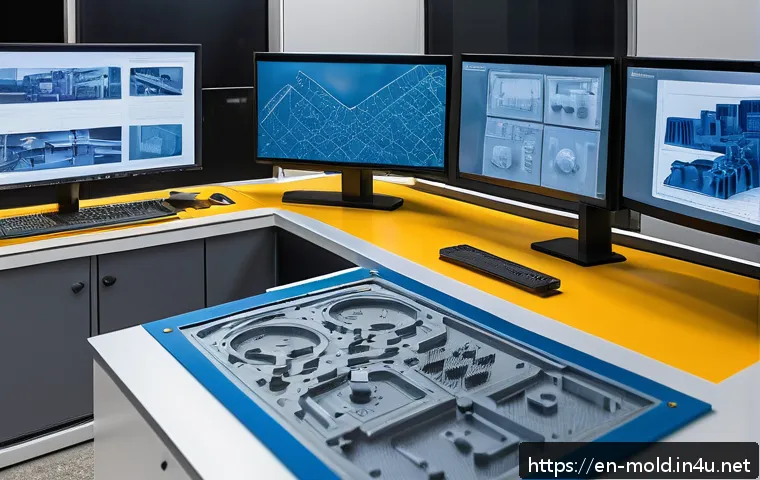
In today’s fast-paced manufacturing landscape, precision and innovation have become more critical than ever. With advances in technology and rising demand for complex components, the roles of mold design technicians and CNC machining experts are taking center stage.
These professionals are not only shaping how products are made but also pushing the boundaries of efficiency and quality. If you’ve ever wondered how the intricate parts in your favorite gadgets come to life, you’re about to discover the fascinating synergy behind the scenes.
Join me as we explore how this dynamic duo is unlocking new possibilities in manufacturing innovation.
Bridging Creativity and Precision in Modern Manufacturing
Designing Beyond Blueprints
When you think about manufacturing, the first image might be machines humming or robotic arms moving in perfect sync. But before that mechanical ballet begins, there’s a creative mind translating ideas into tangible designs.
The role here isn’t just about drafting a shape; it’s about envisioning how materials will behave, how parts will fit, and how the final product will perform under real-world conditions.
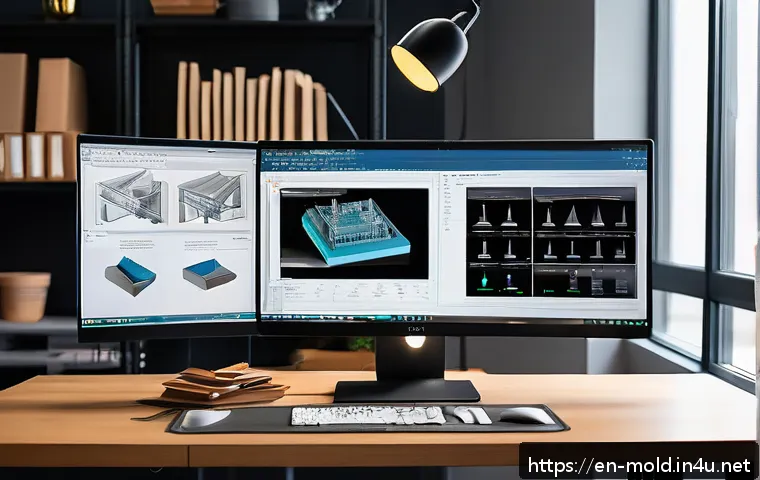
This requires a mix of artistic insight and engineering know-how. From my experience, seeing a mold design evolve from a rough sketch to a detailed 3D model is like watching a sculptor breathe life into stone.
The precision in this stage sets the tone for everything that follows, and any oversight can ripple through the entire production line.
Precision Crafting with CNC Technology
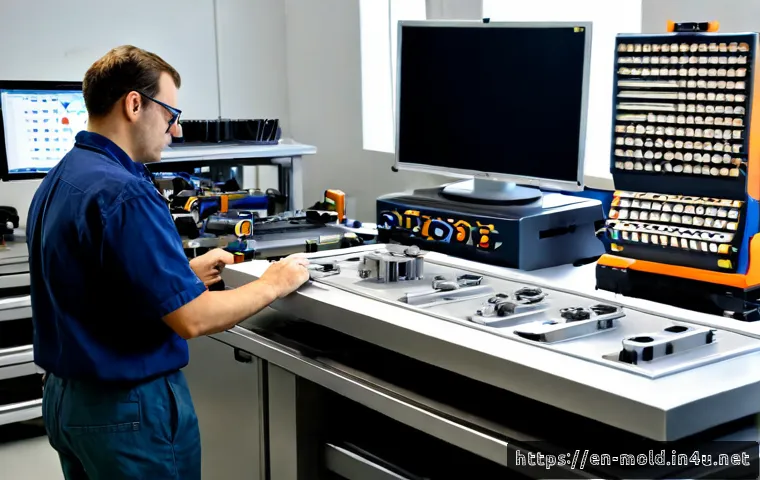
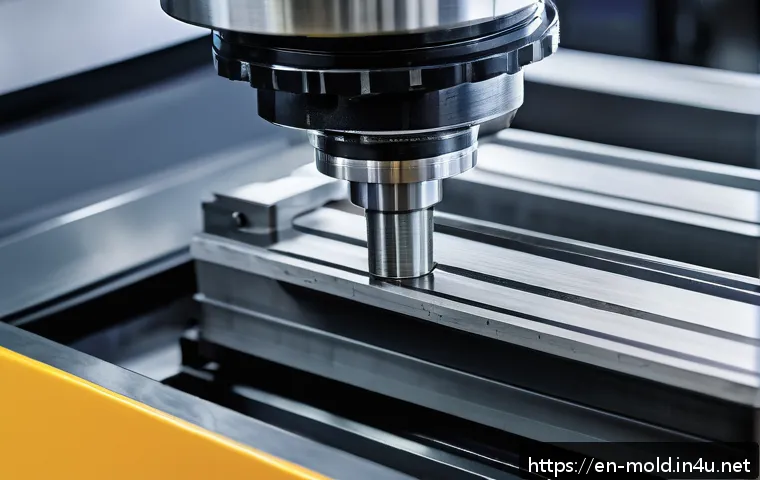
Once the design is locked down, the baton passes to CNC machining experts who bring those virtual models into the physical world. CNC machines don’t just cut metal or plastic; they carve out complex geometries with micron-level accuracy.
What fascinates me is how these machines can replicate the same component thousands of times, each piece indistinguishable from the last. The programming behind this process is a blend of science and art—knowing exactly how to optimize cutting speeds, tool paths, and material feeds to maximize efficiency while minimizing waste.
I’ve personally watched operators tweak their programs on the fly to tackle unexpected challenges, which highlights the importance of hands-on expertise alongside automation.
Collaboration: The Heart of Innovation
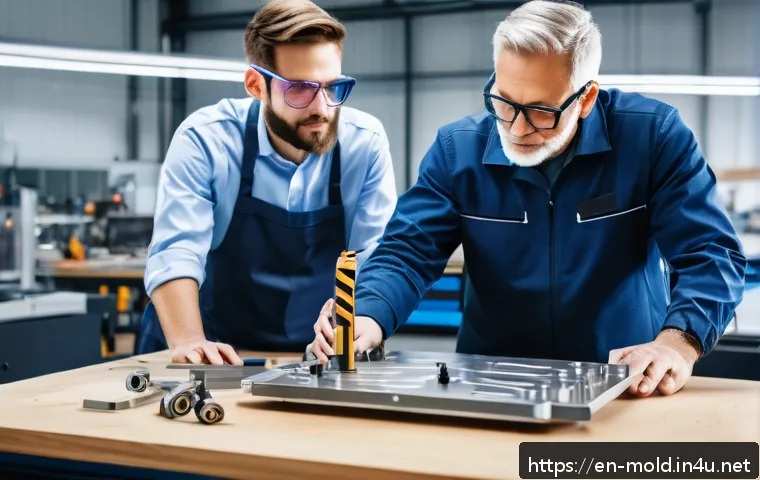
The magic truly happens when mold designers and CNC machinists work hand-in-hand. It’s not a linear handoff but a continuous dialogue. Designers might suggest a complex feature that initially seems difficult to machine, prompting machinists to propose alternative approaches or tools.
This back-and-forth leads to solutions neither side might have discovered alone. I recall a project where an initial design required extensive manual finishing, but through close collaboration, the team reworked the mold to be fully CNC-friendly, slashing production time and costs.
This synergy is a cornerstone of modern manufacturing innovation, proving that combining creativity and technical prowess yields the best outcomes.
Mastering Material Behavior for Superior Results
Understanding Material Properties
Not all metals and plastics behave the same under heat, pressure, or stress. Designers must have a deep grasp of these nuances to select materials that suit both the product’s function and the manufacturing method.
For instance, some plastics may warp during molding, while certain alloys might be prone to micro-cracking during machining. In my experience, integrating material science knowledge early on prevents costly iterations later.
This expertise ensures that the final product isn’t just visually perfect but also durable and reliable.
Adapting Techniques to Material Challenges
CNC machinists often face the challenge of adjusting their methods based on the specific material in use. Harder metals require slower cutting speeds and more robust tooling, while softer materials might need gentler handling to avoid deformation.
I’ve seen machinists develop custom tool paths and cooling strategies tailored for exotic alloys, which not only protects the equipment but also maintains tight tolerances.
This adaptability is a testament to the skill and experience that define true craftsmanship in CNC machining.
Material Selection Impact on Production Efficiency
Choosing the right material affects not only product performance but also cycle times and cost efficiency. For example, a designer’s choice to switch from aluminum to a high-strength composite might reduce weight and improve durability, but it could also complicate the machining process.
This tradeoff demands a balanced approach, often requiring prototypes and testing. I’ve found that early-stage collaboration between design and machining teams helps identify the sweet spot where material benefits and manufacturability align, keeping projects on schedule and budget.
Integrating Digital Tools for Streamlined Workflow
CAD and CAM Software Synergy
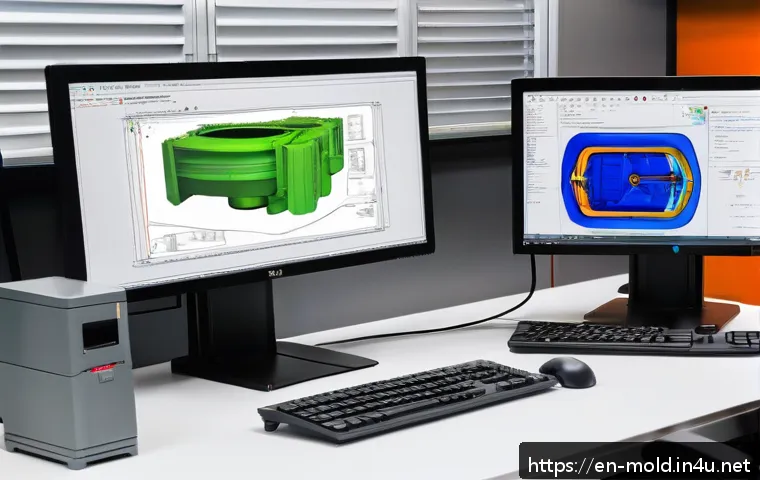
Today’s manufacturing landscape thrives on digital integration. Computer-Aided Design (CAD) and Computer-Aided Manufacturing (CAM) software work in tandem to bridge the gap between design and production.
Designers create detailed 3D models that machinists then import into CAM programs to generate precise tool paths. From my perspective, this digital handoff has revolutionized the industry by reducing errors and accelerating turnaround times.
The ability to simulate machining processes beforehand catches potential issues before any material is cut, saving time and resources.
Real-Time Monitoring and Adjustments
Modern CNC machines are often equipped with sensors and IoT connectivity, allowing operators to monitor conditions like temperature, vibration, and tool wear in real time.
I’ve seen how this technology empowers machinists to make immediate adjustments, preventing defects and extending tool life. This proactive approach contrasts sharply with older methods where problems were only noticed after production, leading to scrapped parts and delays.
The integration of these digital tools creates a feedback loop that continually improves both quality and efficiency.
Virtual Prototyping as a Game Changer
Virtual prototyping allows teams to test designs in simulated environments before physical molds or parts are made. This step has been a game changer in reducing costly trial-and-error cycles.
From my involvement in projects using these tools, the ability to visualize stress points, material flow, and assembly fit virtually helps catch design flaws early.
It also facilitates clearer communication between designers, machinists, and clients, ensuring expectations align well before production begins.
Optimizing Workflow for Maximum Productivity
Lean Manufacturing Principles in Action
Efficiency isn’t just about speed; it’s about eliminating waste at every step. Applying lean manufacturing principles to mold design and CNC machining means continuously analyzing workflows to identify bottlenecks and redundancies.
In practice, I’ve noticed teams adopting just-in-time material delivery, standardized tooling setups, and streamlined communication channels drastically improve throughput.
These changes don’t just boost output but also enhance employee morale, as everyone feels their efforts contribute directly to smoother operations.
Training and Skill Development
The human factor remains crucial despite automation. Skilled technicians are better at troubleshooting, adapting to new technologies, and innovating processes.
I’ve personally witnessed how investing in ongoing training—whether through workshops, certifications, or hands-on mentoring—translates into fewer errors and faster problem resolution.
This continuous learning culture ensures teams stay ahead of the curve in an industry where technology evolves rapidly.
Balancing Automation and Human Expertise
While CNC machines automate many tasks, human judgment and experience still guide critical decisions. For instance, a seasoned machinist can detect subtle tool wear or material inconsistencies that sensors might miss.
I’ve found that the best results come from balancing automated precision with skilled intuition. Encouraging collaboration between operators and engineers fosters an environment where technology amplifies human capabilities rather than replaces them.
Quality Assurance: Ensuring Every Piece Meets Standards
Inspection Techniques and Tools
Quality assurance in manufacturing is non-negotiable. From my hands-on experience, employing advanced inspection methods like coordinate measuring machines (CMM), laser scanners, and optical comparators allows teams to verify dimensions and surface finishes with incredible accuracy.
These tools help catch deviations early, ensuring each part meets strict tolerances before moving to assembly or shipping.
Feedback Loops for Continuous Improvement
Quality control doesn’t end with inspection; it feeds back into design and machining processes to prevent recurring issues. I’ve observed companies establishing robust feedback systems where data from finished parts informs future designs and machining parameters.
This iterative approach leads to progressively better products and fewer defects, which benefits both manufacturers and customers.
Impact of Quality on Brand Reputation
Consistently delivering high-quality components builds trust with clients and end-users. I’ve seen how a reputation for precision and reliability opens doors to new contracts and markets.
Conversely, quality lapses can cause costly recalls or loss of business. This high stake underscores why mold designers and CNC machinists take such pride in their craft and remain vigilant about quality at every stage.
Comparing Roles and Responsibilities in the Manufacturing Process
| Aspect | Mold Design Specialist | CNC Machining Expert |
|---|---|---|
| Primary Focus | Creating detailed design blueprints and 3D models for molds | Programming and operating CNC machines to produce parts |
| Key Skills | CAD proficiency, material science, design optimization | CAM programming, tool selection, machine operation |
| Challenges | Balancing complexity with manufacturability | Maintaining precision and adapting to material variations |
| Collaboration | Works closely with machinists to refine designs | Provides feedback to designers for process improvements |
| Impact on Production | Sets foundation for product quality and feasibility | Ensures efficient, accurate manufacturing of components |
Future Trends Shaping Manufacturing Collaboration
Artificial Intelligence and Machine Learning Integration
The integration of AI in manufacturing is more than a buzzword; it’s transforming how design and machining interact. AI algorithms can analyze vast data sets to optimize tool paths, predict maintenance needs, and even suggest design modifications for better manufacturability.
From what I’ve gathered, early adopters of these technologies report significant improvements in cycle times and defect rates, though human oversight remains essential.
Advanced Materials and Additive Manufacturing
The rise of 3D printing and novel materials challenges traditional mold design and machining paradigms. Designers must rethink how parts are structured, often blending subtractive and additive techniques.
In projects I’ve followed, this hybrid approach enables creating lightweight, complex geometries that were previously impossible, opening doors to innovation in aerospace, automotive, and medical sectors.
Enhanced Collaboration Platforms
Digital platforms that facilitate real-time communication and data sharing among design and machining teams are becoming standard. These tools help break down silos, allowing instant feedback and version control.
Based on my experience using such platforms, they reduce misunderstandings and accelerate problem-solving, making the entire manufacturing process more agile and responsive.
Closing Thoughts
Bridging creativity with precision is at the heart of modern manufacturing success. From innovative design concepts to meticulous CNC machining, each step requires collaboration and expertise. Embracing both technological advancements and human skills ensures products meet the highest standards. This synergy not only drives efficiency but also sparks continuous innovation in the industry.
Helpful Information to Know
1. Effective communication between designers and machinists is crucial for optimizing production outcomes.
2. Understanding material properties early prevents costly manufacturing errors and improves durability.
3. Integrating digital tools like CAD/CAM and real-time monitoring enhances accuracy and reduces waste.
4. Continuous training empowers teams to adapt swiftly to evolving technologies and challenges.
5. Quality assurance practices directly influence brand reputation and customer trust.
Key Takeaways
Successful manufacturing depends on a seamless blend of creativity, technical precision, and collaboration. Designers and CNC machinists must work closely, leveraging digital tools and material knowledge to optimize workflows and product quality. Continuous improvement through feedback and training sustains innovation and efficiency. Ultimately, balancing automation with human expertise ensures consistent, high-quality outcomes that meet market demands.
Frequently Asked Questions (FAQ) 📖
Q: uestionsQ1: What exactly do mold design technicians and CNC machining experts do in manufacturing?
A: Mold design technicians focus on creating detailed blueprints and 3D models for molds used in shaping materials, ensuring every curve and cavity meets strict specifications.
CNC machining experts then take these designs and operate computer-controlled machines to carve out precise components from metal or plastic. Together, they translate concepts into tangible parts, playing a crucial role in turning ideas into high-quality products.
Q: How has technology improved the collaboration between mold design and CNC machining?
A: Advancements like CAD/CAM software and real-time simulation tools have revolutionized how these two roles interact. Mold designers can now create highly accurate digital models that CNC machinists can directly import into their machines, reducing errors and speeding up production.
From my experience, this seamless integration not only boosts precision but also shortens lead times, helping manufacturers respond faster to market demands.
Q: Why is the partnership between these professionals vital for product quality and innovation?
A: The synergy between mold design technicians and CNC machinists ensures that complex components are produced with tight tolerances and excellent surface finishes.
When they collaborate closely, they can anticipate manufacturing challenges early, optimize designs for easier machining, and experiment with innovative materials or techniques.
This teamwork ultimately leads to better-performing products and opens doors to cutting-edge manufacturing possibilities that meet ever-evolving customer needs.